

When we discuss fertility troubles, the bulk of the discussion often focuses on hormonal imbalances, genetic inconsistencies, or health and lifestyle.
However, one important factor is nearly always overlooked – urological functions. The urinary and reproductive systems are interconnected and can actually contribute to fertility issues in both men and women.
Urological Wellness And Fertility
While urological issues can interfere with fertility in both genders, more significant effects show within the male population.
Between 40 to 50 per cent of male factor infertility is attributed to urological issues. Chronic urinary tract infections (UTIs) and prostatitis have also been proven to interfere with healthy sperm production, function, and quality.
In up to 25 per cent of women, this can manifest as disrupted menstrual cycles and ovulation stemming from impaired kidney and hormonal functions.
For some others, this can be caused by recurrent urinary tract infections (UTIs), with up to 50 per cent of female fertility issues being attributed to it.
Common Urological Conditions That Affect Fertility In Males
Varicocele: The enlargement of veins in the scrotum leading to disruption of scrotal temperature regulation, leading to overheating. Symptoms include impaired sperm production, quality, motility, and morphology – the reason behind male factor infertility.
Chronic Prostatitis and Infections: The inflammation of the prostate gland, usually coupled with various UTIs which can decrease sperm health, motility, and function. Chronic inflammation can also block sperm pathways, causing lower sperm count.
Hormonal Imbalances and Erectile Dysfunction (ED): Low testosterone and minimized hormonal function can greatly impact libido as well as sperm production. Significant imbalance can trigger ED, where the sperm is unable to flow out of the body, a significant obstacle to conception.
Common Urological Conditions That Affect Fertility In Females
Urinary Tract Infections (UTIs) and Pelvic Inflammatory Disease (PID): 30 to 50 per cent of untreated UTIs in women lead to PID, resulting in fallopian tube scarring and infertility. Also, 40 per cent of women who experience recurrent UTIs have been shown to experience various complications during conception and pregnancy.
Kidney Disease and Menstrual Irregularities: Chronic kidney disease (CKD) affects the hypothalamic-pituitary-gonadal axis, which monitors estrogen balance in the blood. Impaired functions can lead to uncontrolled levels of estrogen in circulation. Additionally, 20 per cent of CKD sufferers are likely to have a lower pregnancy success rate.
How Preventive Urological Care And Lifestyle Changes Help
In order to keep infertility at bay, it may be beneficial for you to invest time in maintaining your basic urological health by:
- Getting regular urological and reproductive checkups.
- Periodically check your hormonal health.
- Keep an eye on your kidney functions, especially if you have family history of CKD.
- Have periodical ultrasounds and scans to detect any structural blockages early.
Besides preventive care, you can also make a couple of changes to your lifestyle in order to promote better urological and overall well-being:
- Avoid smoking and excessive alcohol consumption.
- Maintain a healthy weight.
- Reduce stress and get enough sleep.
- Schedule regular exercise.
- Practise safe sex and urological hygiene to prevent sexually transmitted infections (STIs).
Proactively managing your urological health not only increases your chances at natural conception, it also significantly increases IVF success rates.
Speak to your urologist or fertility specialist to help you come up with a targeted treatment plan to overcome your urologically-linked fertility challenges.
This article is intended for educational purposes only. All contents here are general in nature and does not take into account your personal circumstances. Please consult with your health care professional to ensure you get the right diagnosis and treatment.
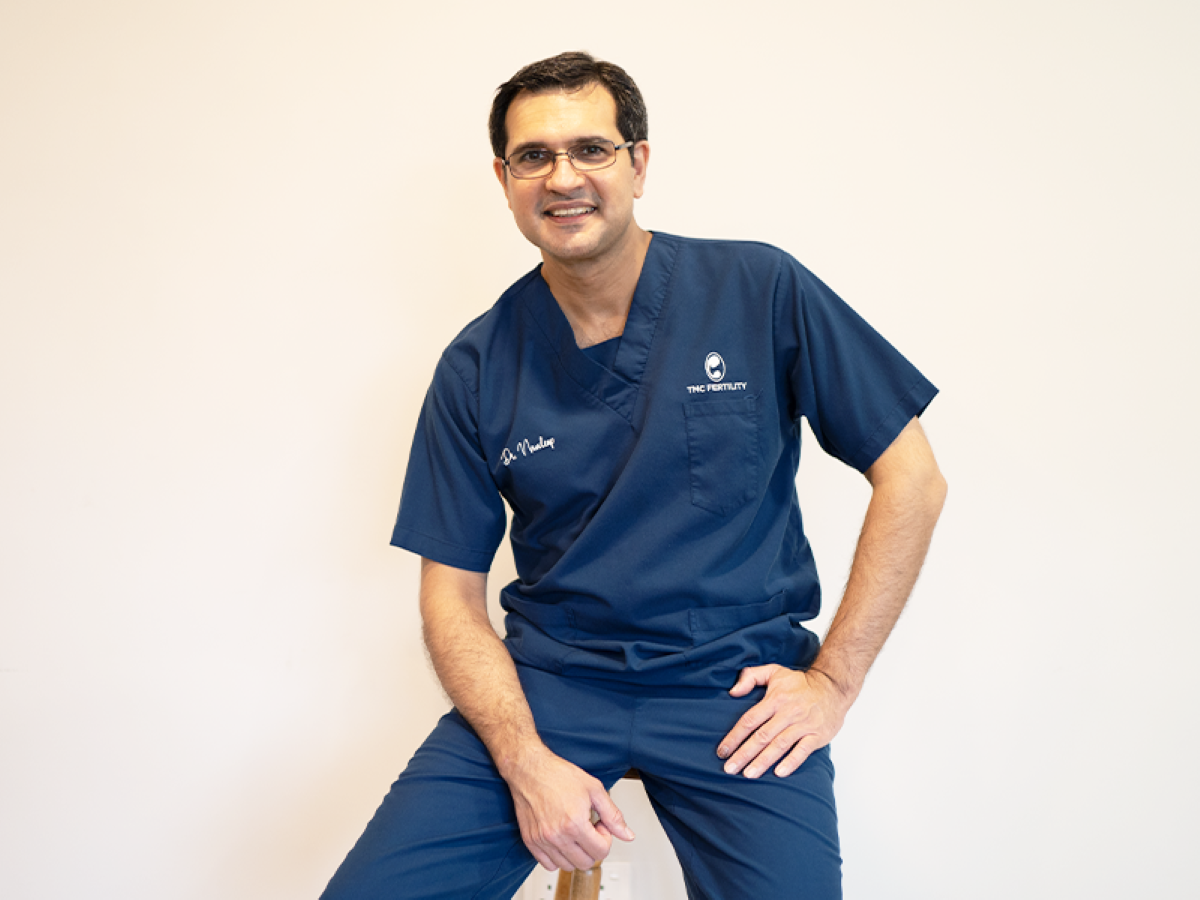
Dr Navdeep Singh Pannu, a fertility specialist, currently serves as the medical director at TMC Fertility and Women’s Specialist Centre in Puchong. With over a decade of experience, he has assisted couples of all ages and from various parts of the world in building the families they have always wanted. Additionally, he is a consultant obstetrician, gynaecologist, and laparoscopic surgeon.
- This is the personal opinion of the writer or publication and does not necessarily represent the views of Ova.