


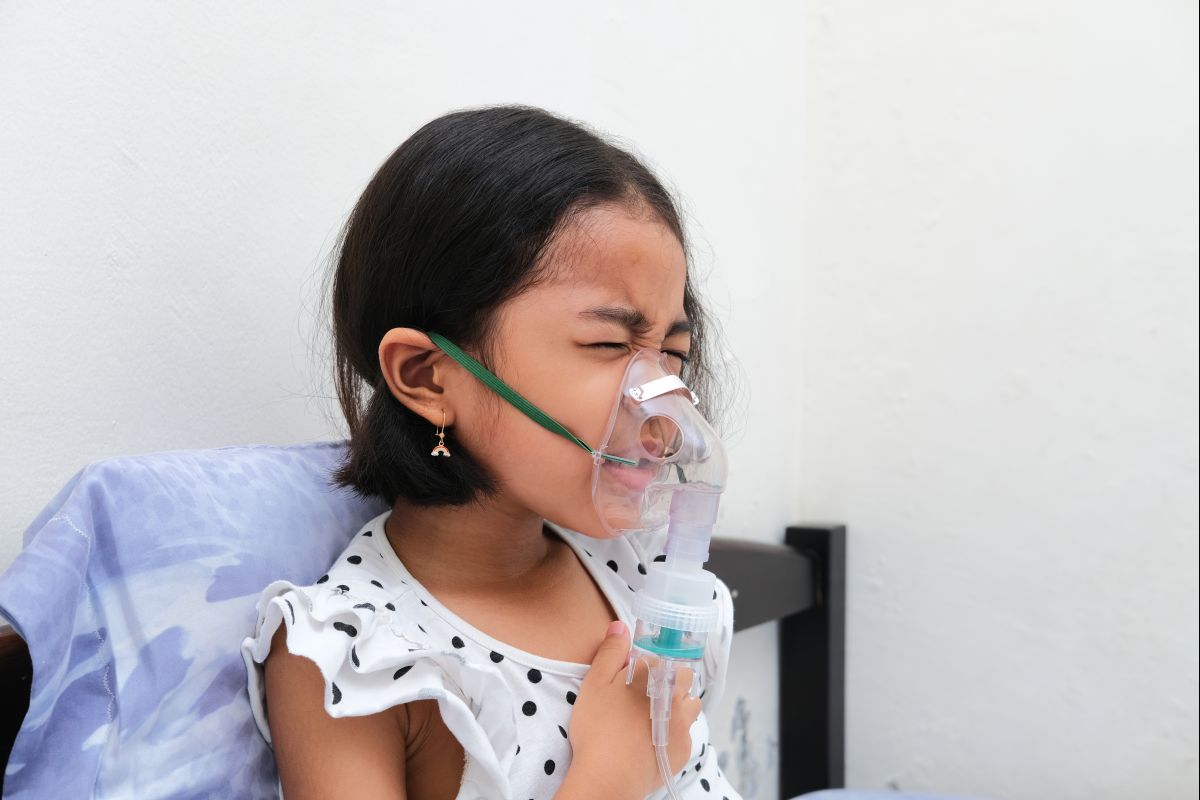
KUALA LUMPUR, Nov 19 — In Malaysia, where urban living and vibrant cityscapes define daily life, an unsettling trend is emerging – an increase in childhood allergies.
What was once considered a minor nuisance has become a significant health concern, with triggers ranging from dust mites to severe food reactions.
According to estimates, one in five Malaysian children may develop allergies, underscoring the urgent need for parents to understand, manage, and prevent these conditions.
“Allergies are more than just sneezes or skin rashes, they can deeply affect a child’s quality of life,” shares Dr Noor Zehan Abdul Rahim, consultant paediatrician and paediatric respiratory specialist at Sunway Medical Centre (SMC).
“Urban living exposes children to higher allergens like dust mites, smoke, and pollution. While parents can’t control everything, they can take steps to make their homes safer havens.”
The Most Common Allergens In Malaysia And Recognising Symptoms
Dust mites are the most common triggers for respiratory allergies in Malaysia. They thrive in humid conditions and hide in bedding, carpets, and soft furnishings. Pet dander is another major culprit.
“Even hypoallergenic pets can still provoke reactions in sensitive children,” explained Dr. Noor Zehan.
Though less common than in Western countries, food allergies can include reactions to peanuts, shellfish, and milk. Pollen and mould also pose challenges, particularly in damp urban areas.
Allergy symptoms can vary and typically appear between 2 to 3 years of age, although food allergies may develop as early as 6 months, while respiratory allergies, such as hay fever, often emerge around 5 or 6 years old.
Respiratory triggers can cause sneezing, coughing, wheezing, or nasal congestion. Allergic rhinitis, the most common childhood allergy, is characterised by sneezing, a runny nose, and nasal blockage.
Skin reactions like rashes or eczema may signal environmental or dietary causes, while vomiting or diarrhoea can indicate food allergies.
“Parents should watch for recurring symptoms,” advised Dr Noor Zehan. “If a child frequently reacts after eating certain foods or being in specific environments, it’s worth investigating further.” She recommends keeping a symptom diary to help identify patterns and triggers.
Ignoring Allergies Can Have Lasting Effects
The risks of untreated allergies go far beyond temporary discomfort. Persistent allergic rhinitis can lead to chronic sinusitis or asthma, which disrupt a child’s sleep, focus, and everyday activities.
Alarmingly, asthma rates in Malaysian children have surged, from 6.4 to 9.4 per cent among 6 and 7-year-olds and from 9 to 13 per cent among 13 and 14-year-olds.
“Asthma triggered by untreated allergies can be life-altering if not properly managed,” warned Dr Noor Zehan. “It’s heartbreaking to see children struggle with something that can often be prevented or controlled.”
What Parents Can Do
While allergies can feel overwhelming, Dr Noor Zehan outlines simple but effective steps parents can take to reduce allergen exposure and manage symptoms that can make a big difference, including:
- Clean and Declutter: Use dust-mite-proof covers and vacuum regularly with HEPA filters.
- Eliminate Smoke Exposure: Even particles on clothes can aggravate allergies.
- Manage Pet Allergens: Keep pets out of bedrooms, and in severe cases, consider rehoming.
- Introduce Allergenic Foods Carefully: Under medical guidance, introduce foods like peanuts or eggs between 4 and 6 months, but avoid whole peanuts to prevent choking.
- Choose Air Purifiers Wisely: Avoid fragrances or chemicals that irritate sensitive airways.
Allergy Trends And Myths
Misconceptions about allergies persist, including the belief that children will naturally outgrow them.
“While some do, many allergies persist into adulthood, impacting the quality of life if not managed properly,” explained Dr Noor Zehan.
Another myth is that avoiding triggers like cold drinks can prevent respiratory issues. “With proper management, children with asthma or allergic rhinitis can enjoy normal activities without unnecessary restrictions,” she reassures.
Parents may also worry about inhaler dependency, but Dr Noor Zehan dispels this fear.
“Inhalers are not addictive. They are life-changing tools that help children breathe freely and thrive. As conditions improve, reliance on medication can be gradually reduced,” she explained.
The pandemic has also influenced allergy trends. Lockdowns temporarily reduced children’s exposure to infections, easing respiratory symptoms, but limited opportunities for immunity-building.
“Reduced exposure meant children missed out on essential immunity-building, leaving them more vulnerable post-Covid,” explained Dr Noor Zehan.
She also encourages parents to strike a balance. “Gradually reintroduce your child to diverse environments while maintaining good hygiene. This helps rebuild their defences and allows you to identify potential allergens.”
Managing childhood allergies requires teamwork between parents and health care providers. Regular check-ups with a paediatrician are essential for early detection and treatment.
“The early years are crucial for long-term health,” emphasised Dr Noor Zehan. “Stay informed, take action, and don’t hesitate to seek medical advice. Every step you take now will help your child live a healthier, happier life.”