
KUALA LUMPUR, August 28 – In our daily lives, we may encounter frightening situations or unexpected events, which could be caused by natural disasters or accidents from daily activities.
Therefore, possessing first aid knowledge and skills is crucial to effectively manage emergency situations, to save lives, and at the same time. to prevent the situation from getting worse before help arrives.
According to assistant medical director and emergency medicine consultant at Sunway Medical Centre, Dr Lee Tuan Cheong, every individual should be equipped with basic first aid knowledge so that help can be given in the right way during a critical moment.
“It is essential to have basic knowledge about first aid as initial support given is very crucial and can increase the survival rate. Besides that, first aid may ease the victim’s pain or suffering while awaiting to receive further treatment,” he explained.
He discussed about the ways and actions that need to be taken during emergency situations to ensure accurate and appropriate steps can be taken. Among them are:
Cardiopulmonary Resuscitation (CPR)
- Access the condition of the victim such as breathing and pulse.
- If the victim has no pulse or breathing, shout for Emergency Medical Services (EMS) and automated external defibrillator (AED).
- Use an automated external defibrillator (AED), if available.
- For adults, perform 30 chest compressions with two rescue breaths; and repeat it for five cycles.
- Reassess the victim’s condition (pulse and breathing) every two minutes.
- Continue CPR until patient has a pulse or until the arrival of medical personnel.
Bleeding
- Stay calm and ensure clean hygiene before touching the wound.
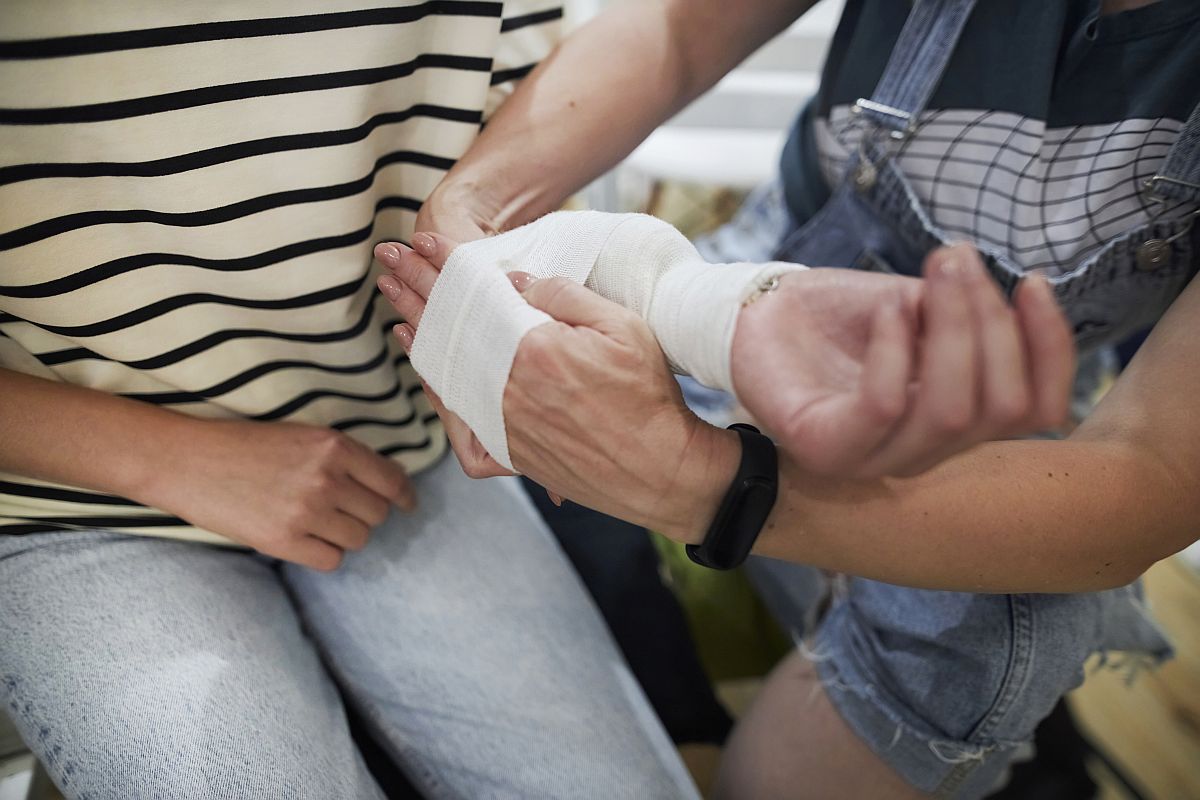
- Apply direct pressure or bandage to the wound by using a clean gauze or cloth.
- Elevating the wound above the heart level may help to stop bleeding.
- Use saline / clean water to clean the wound and remove foreign debris.
- Dirty wound may require antibiotic cream to prevent infection.
- Monitor the wound for signs of infection such as redness, swelling, pain, or any discharge.
- If needed, seek medical treatment at nearby facilities.
Burn Cases
- Rinse or shower the burn area with cold running water for at least 15 to 30 minutes.
- Cold water can relieve the pain and reduce the heat to prevent further burn injury.
- Remove the clothing and jewellery carefully and gently.
- Avoid tearing of clothing that attached to the burn skin.
- Do not simply apply things such as toothpaste or grease on the burn wound.
Unconsciousness
- Help the victim lie down with his chin slightly elevated to keep the airway open.
- Assess the patient’s response, if no breathing or pulse, to start CPR.
- If the person is breathing, ensure the area has good ventilation, loosen the patient’s collar and belt to allow him or her to breathe freely.
- Do not give food or water to the victim as they may aspirate or choke.
- If suspect of spinal injury, do not simply move the person unless absolutely necessary.
- If patient does not regain consciousness, seek medical help immediately.
Breathing Difficulties
- Remain calm and seek help from people nearby.
- Help the person to sit and rest comfortably.
- Loosen the patient’s clothing, such as patient’s collar, button, tie, or belt.
- Ask for the patient’s medical history and provide immediate treatment, such as an inhaler for an asthma patient or sublingual medication for a heart attack patient.
- If patient does not improve, seek medical help immediately.
Epilepsy (Seizures)
- Make sure the patient is in a safe place. Remove hazardous objects such as sharp items or hot object.
- Let the patient lie down.
- Place something soft under the head to prevent head injury.
- Loosen clothes or tie to ensure the patient can breathe smoothly.
- Do not open the patient’s mouth forcefully.
- Do not attempt to insert any object into the mouth.
- Do not administer oral medication as the person may aspirate or choke.
- Can administer suppository medication if available.
- Record the time of the incident and the patient’s symptoms so the doctor can provide appropriate and more effective treatment.
- Seek medical help immediately if the seizures persist or recur.
Dr Lee added that there are misconceptions about first aid, and if not corrected, it may harm the safety of the person who is assisting or the patient during an emergency.
Among the misconceptions are:

Dr Lee also advised the public to remain calm and avoid panic during emergencies. Most importantly, seeking help or treatment promptly is crucial.
“It is strongly advised to acquire basic first aid knowledge through reputable channels, such as accredited courses or training programs.”