


By Weipeng Yang, Education University of Hong Kong
HONG KONG, Oct 29 – Forget boring textbooks and rote memorisation.
Artificial intelligence (AI) is no longer just for research labs and self-driving cars. It’s making its way into classrooms, not to replace teachers but to empower children and prepare them for a future where technology plays an increasingly important role.
While AI’s role in fields like healthcare, transport and manufacturing is well known, its application in early childhood education may seem less intuitive.
However, recent research demonstrates AI’s untapped potential to equitably empower young learners as young as three years old and eventually, support the United Nations (UN) sustainable development goals.
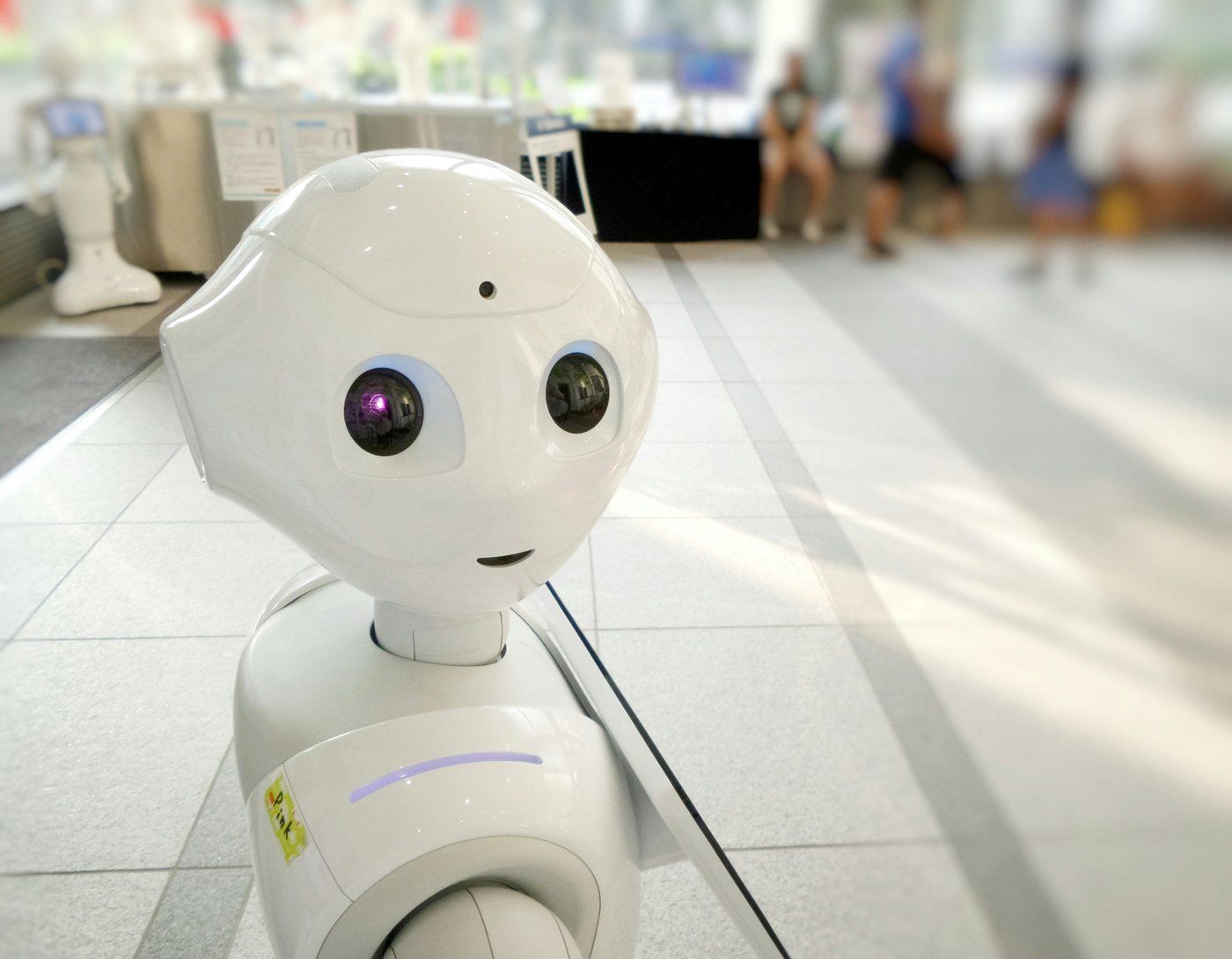
AI becomes more accessible and engaging for young learners by humanising AI models through educational robots.
The “AI for Kids” programme developed in 2022 by researchers at The Education University of Hong Kong teaches preschoolers between the ages of three and six basic machine learning principles through interactive storybooks, music, and activities centred around ocean conservation.
The AI for Kids curriculum is undergoing evaluation before scaling it up for wider use in Hong Kong’s early childhood sector.
A recent evaluation found the AI for Kids curriculum effectively improved preschoolers’ recognition of patterns and object classification abilities while understanding that AI technologies also produce prejudices or errors.
The culturally responsive design strengthened students’ sense of identity and connection to topics. Implementation in diverse early learning environments has yielded similarly positive results on STEM engagement and collaboration skills.
But the benefits go beyond academics.
AI nurtures crucial social and emotional capacities and competencies to enable children to effectively communicate and collaborate, especially among their peers. Using AI educational tools allows kids to be creative and solve problems more efficiently.
Researchers at the Education University of Hong Kong had young children program robots to dance, sing, and tell stories, activities found to significantly boost sequencing ability and emotional regulation.
Intentional guidance is key to ensuring the productive exploration and development of healthy relationships with emerging technologies.
Platforms such as AI for Oceans and Teachable Machine are better suited for primary-aged children with basic literacy and computational skills.
Open-sourced collaborative initiatives could develop freely accessible interfaces allowing preschoolers to engage with AI concepts without prerequisites. Combining topics rooted in diverse cultural contexts such as food, music or sustainable cities makes learning more fun and interesting for children.
Studies examining child-robot dynamics over time will add nuance around developmental impacts. Classroom-based research using AI curricula can produce helpful guidelines and training for teachers.
American scholars examined the evolving role of early childhood teachers in AI-enhanced education and witnessed a significant shift from traditional direct instruction to a more facilitative approach, wherein educators guide inquiry-based, collaborative learning experiences.
This transformation is driven by the integration of AI tools that support children’s natural curiosity, creativity and critical thinking.
As facilitators, teachers are also responsible for introducing AI concepts in culturally and developmentally appropriate ways, promoting AI literacy that prepares children for a technologically advanced future.
Moreover, educators are becoming designers of inclusive curricula that reflect cultural sensitivities and ensure equitable access to AI education, thus fostering digital equity from an early age.
This multifaceted role underscores the transformative potential of AI in reshaping educational practices and enhancing the learning journey for young children.
Careful evaluation also ensures any risks around data privacy, algorithmic bias or unintended effects on people’s social and emotional wellbeing are mitigated.
With suitable design considerations and oversight, AI has great potential to empower every child as creative problem solvers and responsible digital citizens. Nurturing AI literacy from an early age helps to prepare them for the future workforce.
Last year, Hong Kong introduced its first curriculum on artificial intelligence for junior secondary students, covering both the practical applications of AI, such as using ChatGPT and the ethical and societal issues associated with AI technology.
Multi-sector partnerships could expand AI’s reach within under-resourced communities.
For instance, collaborations between educators, libraries, museums and tech companies may install learning stations introducing preschoolers and their families to age-appropriate AI activities.
Combining programmes with caregiver workshops builds support networks enabling continued learning beyond the classroom.
Such inclusive, multi-pronged initiatives address barriers keeping disadvantaged populations from participating fully in our increasingly intelligent world.
Smart integration of AI supports the UN’s goals of quality education and reduced inequalities. When thoughtfully incorporated in developmentally guided experiences, emerging technologies provide enriched STEM exploration opportunities for all young minds.
Doing so from preschool nurtures a generation fluent in both human and machine thinking — skills critical for collaboratively solving humanity’s greatest challenges through compassionate innovation.
With care and community participation, AI fosters learning environments preparing each child to thrive in tomorrow’s rapidly evolving landscape.
Weipeng Yang is an assistant professor in early childhood education at Education University of Hong Kong.
Article courtesy of 360info.