
Australia, in a landmark move not seen anywhere else in the world, has announced a ban on social media use among children under sixteen. It is bold, decisive, and frankly overdue.
Adolescents are growing up in an online ecosystem designed to capture attention, erode self-esteem, and shape identity before they even understand what identity means.
Protecting them from that is a good move — one that many of us hope will ripple across the globe, even though policy shifts rarely travel in a straight line.
But as I read the announcement, another thought rose to the surface, one that feels strangely missing from public conversations.
If children under 16 are no longer allowed on social media, what about the parents who put their children there?
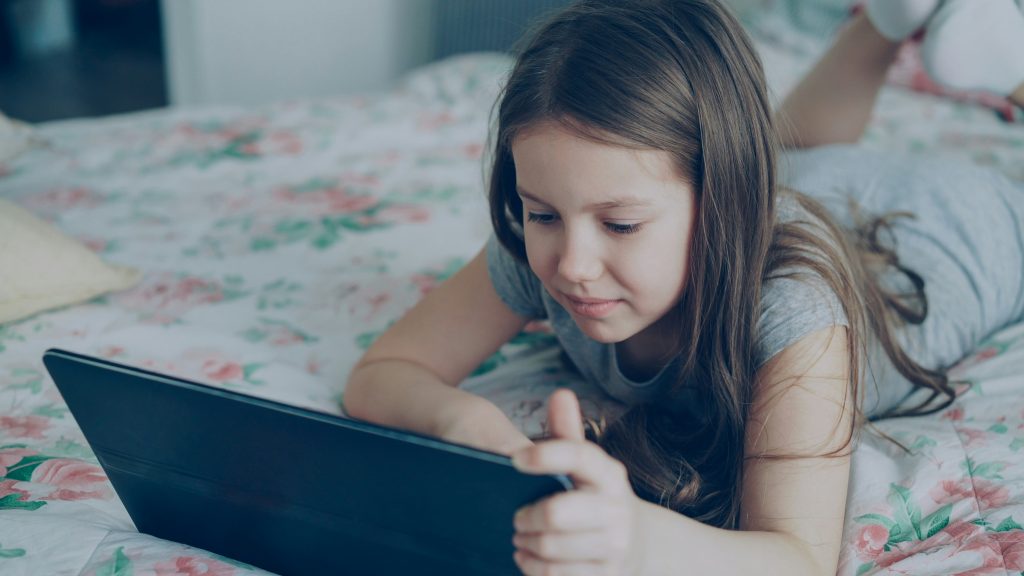
In every country, on every platform, countless parents film their children, photograph them, narrate their daily lives, and upload them to an audience that ranges from a few hundred viewers to millions.
Some do it innocently, wanting to share joy or milestones. Others depend on this content for income, sponsorships, or digital relevance.
Whatever the motivation, the children at the centre of this universe do not have the power to consent. They cannot say no. They cannot understand permanence. They cannot foresee the digital footprint being built in their name.
Parental consent is considered enough — legally. But ethics and legality do not always walk hand in hand. Parents are entrusted with their children’s well-being, dignity, privacy, emotional safety.
And I struggle to believe that constant exposure to an invisible, unpredictable audience is conducive to healthy development.
We have normalised this so deeply that we barely pause.
A toddler dancing in a living room. A child crying over a broken toy. A teenager waking up groggy on camera because their parent thinks it’s “relatable content.”
We watch, we laugh, we coo, “So cute!”
But in the same online spaces, there are predators. There are strangers tracking locations and routines. There are algorithms that store, analyse, and circulate images without context or consent.
And these children — whose faces, bodies, and vulnerabilities are displayed — have no say in any of it.
If we are serious about child protection online, we cannot stop at adolescence. We must confront the uncomfortable truth that the first people to breach a child’s privacy are often the adults who love them.
This issue is not unique to the digital age. Long before Instagram and TikTok, A.A. Milne wrote the beloved Winnie the Pooh books based on his son, Christopher Robin.
The world adored the fictional child, but the real Christopher paid the price — unwanted attention, unwanted recognition, and a lifelong struggle to reclaim his own identity.
He eventually criticised his father for using his childhood as the foundation for literary fame, and their relationship never fully healed.
And that was in a world without viral content, screenshots, data storage, or global reach.
If a single book could shape a child’s life so profoundly, imagine what endless digital documentation can do.
Today’s children are being raised not only by parents, but by algorithms, audiences, and metrics. Their milestones are monetised. Their private moments are public property. Their lives are being archived before they understand what it means to have a life.
Australia’s social media ban recognises one part of the problem: children should not be navigating platforms designed for adults. But policymakers worldwide — including our own government — must also recognise the other half: children should not be the content of those platforms either.
This means rethinking age of digital consent.
It means examining income earned through child-centred content.
It means allowing children, once older, the right to have their digital footprints erased.
It means shifting responsibility from children who do not understand the risks, to adults who should.
This is something that has quietly bothered me for years — the sense that we are all participating in a collective oversight. We celebrate adorable videos without asking who might be watching.
We applaud family influencers without questioning what their children might say twenty years from now. We consume content without acknowledging that, behind the smiles and curated moments, there may be children who never had a choice.
Today, reading about Australia’s groundbreaking decision, something in me finally settled.
This is the moment to talk about it. This is the moment to question not only what young people do online, but what adults ask of them.
Protecting children online must begin long before the age of 16. It must begin with us — the ones holding the cameras.
The author is a psychiatrist.
- This is the personal opinion of the writer or publication and does not necessarily represent the views of CodeBlue.