

The Gender Budget Group congratulates the government on Budget 2025, which has a clear focus on responding to the needs and wellbeing of the population, particularly the most vulnerable and marginalised communities and groups.
It also has a significant focus on improving and expanding on current programmes and initiatives for the people.
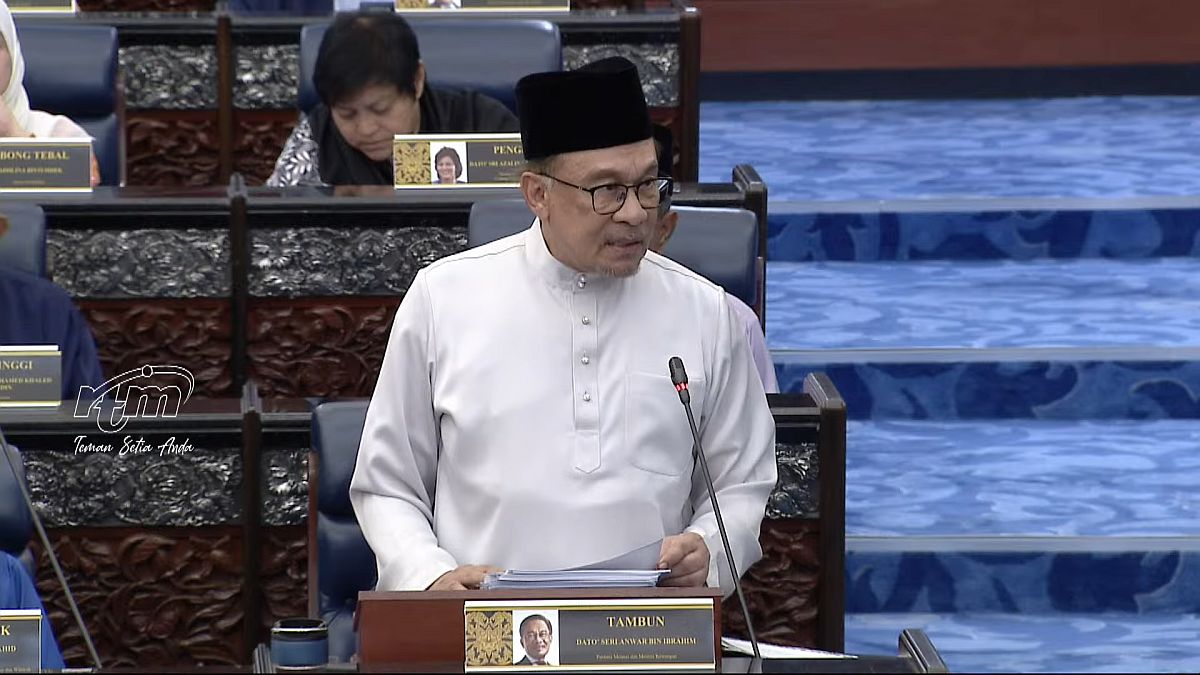
The proposed budget, with a total allocation of RM421 billion, including RM335 billion for operating expenditure and RM86 billion for development expenditure, needs a clearer framework to ensure equitable distribution of resources.
The inclusive approach proposed for this budget is a step in the right direction, with a focus on ensuring that the RM393.8 billion in subsidies reaches those who are furthest behind, particularly those with special needs and communities in rural and indigenous communities.
Limited Gender Perspective In The Budget
However, overall, the gender perspective in the budget is quite limited and needs to be strengthened to ensure that the allocations effectively reach those most marginalised, particularly women and children.
The national budget is an opportunity to tackle and rectify existing inequalities, including gender disparities, that impact all citizens in Malaysia.
Gender-responsive budgeting looks at how the budget can benefit everyone – girls, boys, men and women. By assessing and addressing the distinct needs of each individual, a gender-responsive budget works toward a fair and equitable allocation of resources.
Mobile Clinics Must Provide Family Planning, Contraception Services
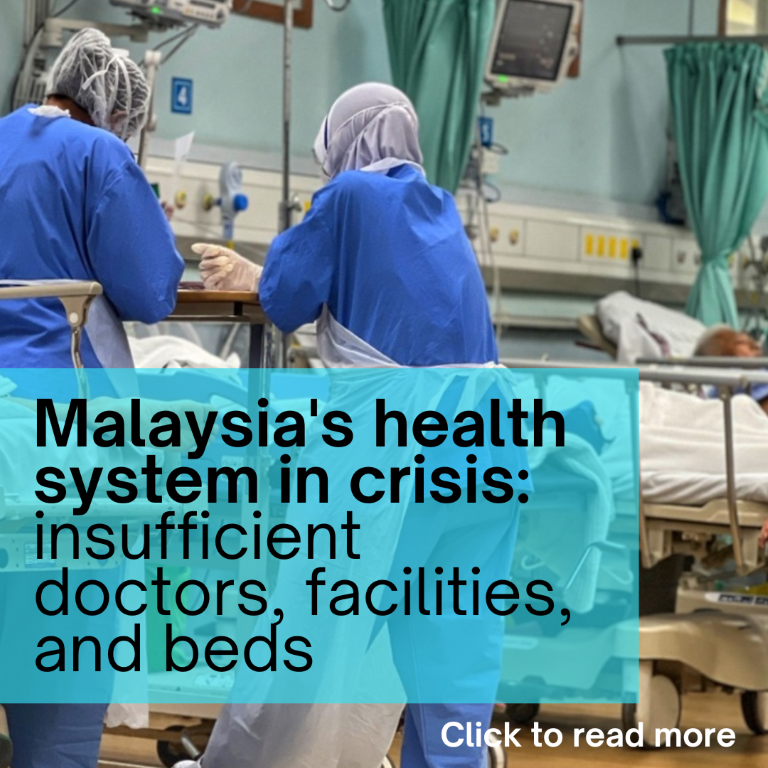
For instance, the RM45.3 billion allocated for healthcare, which includes RM100 million for mobile health services aimed at rural communities, is a positive step forward. Mobile clinics offer a cost-effective solution for delivering healthcare to remote areas where access to traditional facilities is limited.
By expanding these mobile services within the national healthcare system, we can ensure vulnerable populations receive vital preventive care, ultimately reducing the strain on the country’s healthcare infrastructure over time.
However, it is crucial that these mobile clinics reach the most isolated communities and are equipped to address women’s specific health needs, including providing sexual and reproductive health education and services.
This should include regular screenings for reproductive cancers and access to contraception, which are essential components of preventative care for women and girls.
Malaysia faces significant challenges in ensuring comprehensive access to reproductive health services, particularly in rural areas. These mobile clinics must also provide family planning and contraception services, which are currently severely lacking in these regions.
Must Consider Barriers Marginalised Communities Face In Accessing, Using Digital Services
Budget 2025 also introduces improvements like the enhancement of My Digital ID, which allows for online appointment setting and digital payment systems (iPayment). These advancements are expected to ease the burden on hospitals and patients by reducing the need for physical visits.
However, the government must consider the barriers that marginalised communities, including women and those in rural and remote areas, face in accessing and using these digital services.
Accompanying initiatives to improve digital literacy for women in underserved areas are crucial to ensuring they benefit from these advancements. Without targeted support, there is a risk that the introduction of MyDigital ID could further marginalise some women, leaving them behind.
Budget 2025 introduces several promising initiatives for women, including programmes aimed at increasing women’s participation in corporate leadership and entrepreneurship, as well as tax incentives to encourage their return to the workforce.
Notably, the budget commits to improving the representation of women on the boards of the top 100 listed companies and allocates RM650 million to support women and youth in entrepreneurship. These measures are both commendable and crucial steps toward advancing gender equality in Malaysia.
Fails To Address Gender-Based Violence, Domestic Violence
However, the budget falls short in several crucial areas, particularly by failing to address gender-based violence and domestic violence — serious issues in Malaysia, especially given the recent rise in femicide cases.
This omission leaves a significant gap in the government’s commitment to protecting women and ensuring their safety.
As the Gender Budget Group, we hope that civil society organisations, the government, and all sectors of society continue to collaborate toward a comprehensive, intersectional approach that includes rigorous monitoring, reporting and evaluation of the impact of Budget 2025.
By doing so, we can ensure that Malaysia moves forward in its pursuit of gender equality and, more importantly, addresses inequalities across different communities, geographic locations, socio-economic backgrounds, and identities throughout the country.
In conclusion, while the 2025 budget reflects positive intentions, more targeted, region-specific measures are needed to ensure equitable access to funding.
The Gender Budget Group (GBG) is a coalition of 21 CSOs and 18 academics spearheaded by ENGENDER Consultancy and the Women’s Aid Organisation (WAO), who are focused on taking a more proactive approach to ensure that different needs are effectively catered to in the budget. This is important particularly in a public health crisis, as so many groups are yet to be considered and planned for in our budgetary process. The organisations who are a part of the GBG are working on engaging relevant ministries, government bodies, academics and industries to ensure gender-responsive budgeting is reflected in Malaysia’s national budget.
- This is the personal opinion of the writer or publication and does not necessarily represent the views of Ova.