

The reality we witness daily is sobering – the story of Muhib, a Rohingya volunteer who survived the deadly Andaman Sea crossing in 2017 while seeking safety from violence and persecution in Myanmar.
Today, while the dynamics are different, conflict continues to rage in Myanmar. Humanitarian assistance is at a historic low.
The disregard for human life is immense, and people continue to be forced to make this same deadly journey.
Muhib’s story is a story of survival – sadly, this is not everyone’s story. Just last month, at least 427 Rohingya are feared to have perished in two shipwrecks.
Those who survive are left deeply traumatised, and more challenges await them wherever they go to seek safety.
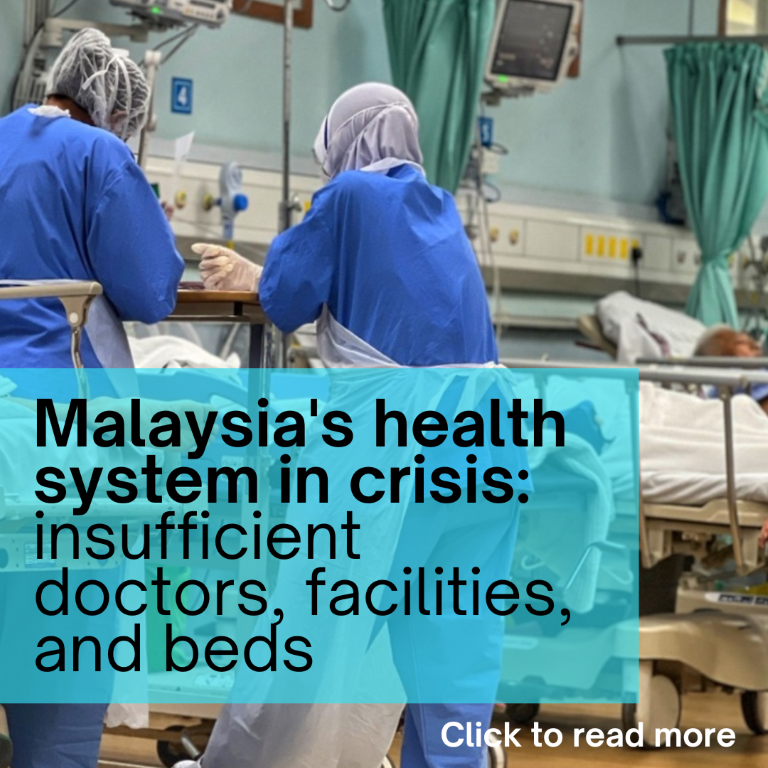
In Malaysia, even prior to the funding cuts, refugees have already struggled to access basic, essential health care.
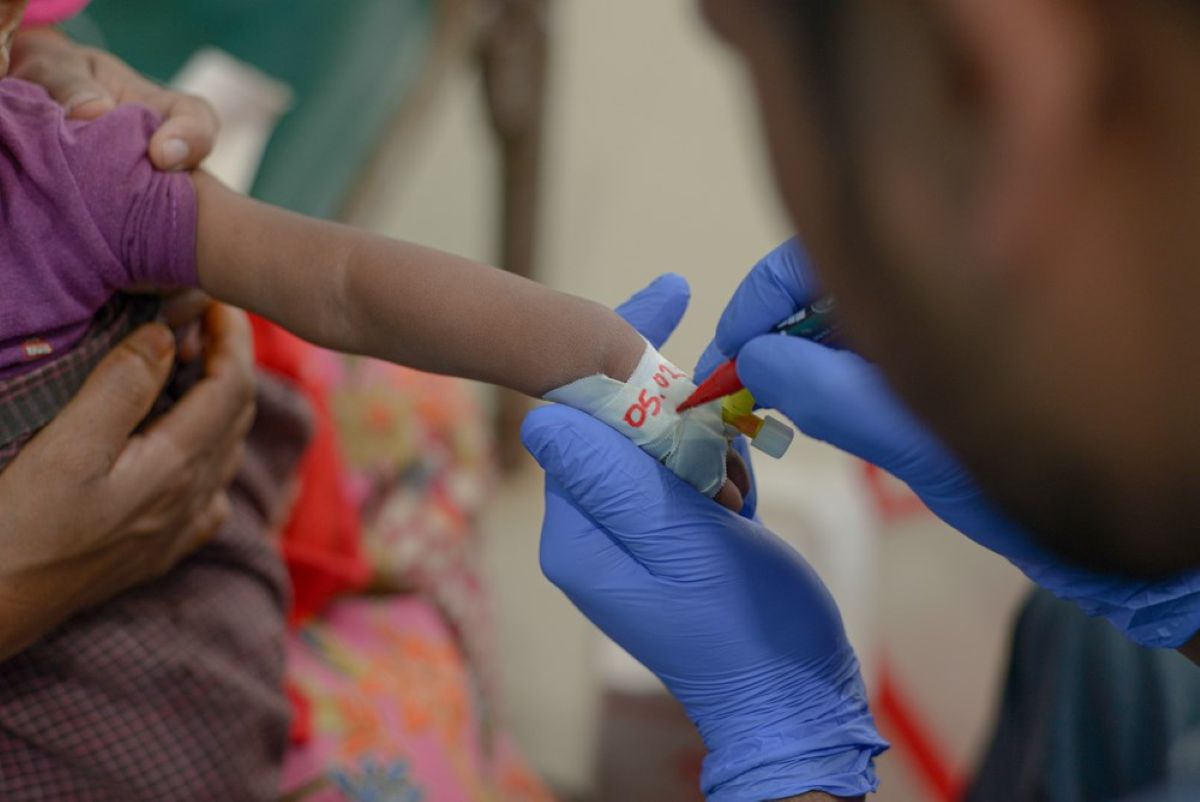
Many are deterred by the costs that may seem small to some of us – like the RM20 registration fee for documented refugees to receive free essential vaccines for their children.
But for refugees who have no formal means of work, this fee is a significant barrier. Other barriers include language and the fear of being reported or detained.
For pregnant women and children, these obstacles can be life-threatening. Last year alone, MSF provided over 5,600 antenatal consultations.
Yet we know the need is far greater. Our teams are witnessing and responding to a rise in mental health needs, especially among those who have experienced trauma, often on their journey here or due to prolonged detention.
Despite these challenges, refugees in Malaysia show extraordinary resilience and a desire to contribute to society.
An Ideas (Institute for Democracy and Economic Affairs) study showed us that granting refugees their rights to work would lead to a significant contribution to GDP.
Malaysia is home to nearly 200,000 registered refugees and asylum seekers, the vast majority of whom are Rohingya from Myanmar, and 50 other countries fleeing war and persecution.
Many have endured unimaginable hardship – fleeing violence, persecution, and instability – only to face new challenges wherever they go.
As Sitti, one of our Rohingya volunteers, shared: “What I wish I could make everyone understand is that no one is choosing to leave Myanmar or Bangladesh by choice. No one wants to embark on those boat journeys in fear of our lives. We are solely fleeing persecution or containment, in search of freedom to live. What other options do we have?”
It is crucial we recognise that dignity is not a privilege; it is a fundamental human right.
We must work together – government, civil society, international organisations, and local communities – to continue having these conversations, break down barriers, especially those that delay access to health care and build inclusive systems that respect and protect refugees.
Which is why a key element of our work here is to help refugees and asylum seekers navigate the barriers to accessing health care in Malaysia.
Let us remember, seeking safety is not a crime.
We are halfway through Malaysia’s Asean chairmanship with a focus on inclusivity and sustainability. There is still a unique opportunity to lead by example – championing humane policies, ending arbitrary detention, facilitating safe disembarkation, and ensuring access to essential services for all.
In honour of World Refugee Day, let us reaffirm our shared humanity and commitment to building bridges.
Aymen Abdullah is Head of Mission, Médecins Sans Frontières/Doctors Without Borders.
This speech was delivered at an event held on June 10, 2025. Organised by Médecins Sans Frontières (MSF)/Doctors Without Borders and supported by Geutanyoe Foundation Malaysia. The event brought together activists, civil society representatives, government officials and international organisations for a panel discussion titled ‘Building Bridges Towards Refugee Dignity’ to foster meaningful dialogue, strengthen collaboration, and advocate for the rights and dignity of refugees in Malaysia and beyond.
- This is the personal opinion of the writer or publication and does not necessarily represent the views of Ova.