

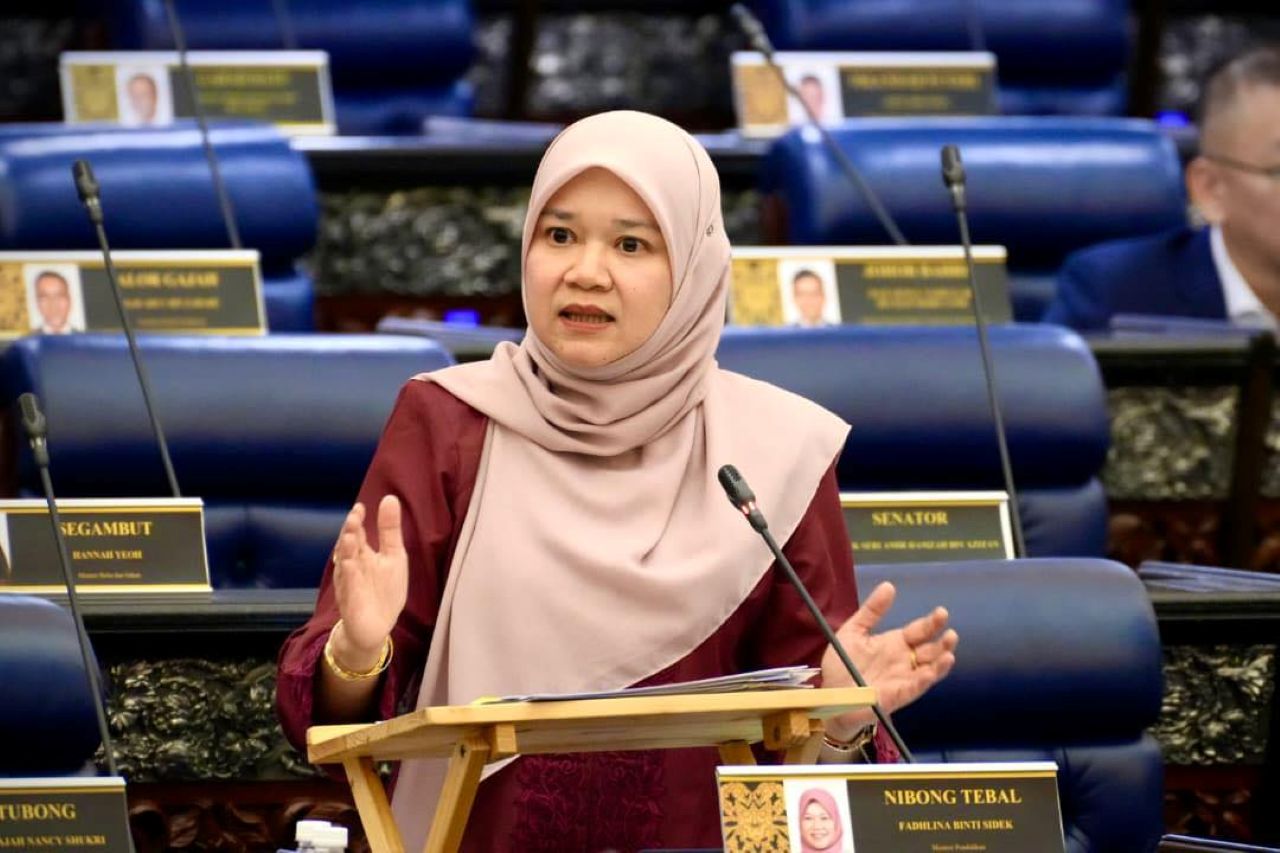
Women’s Aid Organisation (WAO) welcomes the decision to make secondary schooling compulsory for all, following the successful reading of the Education Amendment Bill 2025 in the Dewan Rakyat.
This significant amendment expands the existing Education Act 1996, extending compulsory education beyond primary level (ages 6 to 12) to secondary school education up to age 17, unless officially exempted.
Penalties for non-compliance include fines of up to RM 5,000, imprisonment of up to six months, or both.
Education As A Fundamental Right That Empowers All Children
At WAO, we believe that education is a right, not a privilege.
Every child, regardless of gender, deserves the opportunity to learn, grow, and fulfil their potential.
This decision to make secondary education compulsory is not only a progressive step for Malaysia, it is a critical move toward fulfilling our international commitments under the Convention on the Rights of the Child (CRC), which guarantees every child the right to education without discrimination.
What this means for women and girls:
- Empowerment Through Education: Secondary education enables girls to develop skills, confidence, and opportunities critical for participating in the workforce and civic life. Education is one of the most effective tools for poverty reduction. Children who complete school are more likely to secure stable employment and improve their economic status.
- Preventing Gender-Based Violence: Education is a protective factor. Girls who stay in school are statistically less likely to experience early marriage, intimate partner violence, or exploitation and other forms of gender-based violence.
- Reducing Inequalities: Marginalised girls including those in rural areas, indigenous communities, and girls with disabilities will benefit from stronger legal support for their right to education.
Ensuring Effective Implementation
WAO applauds this progressive move and urges the government to take further action to translate this policy into tangible outcomes though the following measures:
- Guarantee Accessibility and Inclusivity: Identify and address barriers to education including financial and logistical barriers such as transport, school expenses, and digital access, particularly for marginalised communities.
- Make Schools Safer and Gender-Sensitive: To ensure that all children, especially girls, are not only enrolled but also protected and empowered throughout their schooling years. We urge the government to improve access to protection and better support systems by ensuring clear protocols and trained personnel to identify and respond to gender-based violence, sexual harassment, bullying, and abuse.
- Monitor and Report Progress: Effective implementation of compulsory secondary education requires robust and transparent monitoring mechanisms to ensure that no child is left behind. This data is critical for identifying trends, gaps, and groups at higher risk of exclusion or early school-leaving.
- This is the personal opinion of the writer or publication and does not necessarily represent the views of Ova.