

KUALA LUMPUR, July 12 – Early detection programmes, growing awareness, and detection in schools have been attributed to the rising cases of Attention Deficit Hyperactivity Disorder (ADHD) and autism, according to the Ministry of Health (MOH).
In a written parliamentary response to Kepala Batas MP Dr Siti Mastura Muhammad yesterday, MOH responded that the number of children under the age of 18 diagnosed with ADHD increased from 79 cases in 2013 to 268 cases in the year 2023.
Meanwhile for autism, the number of children under the age of 18 diagnosed with the disorder have increased from 183 cases in 2013 to 1,681 cases in 2023. The ministry did not specify the source of its data.
Last July 3, the Ministry of Women, Family and Community Development said in a written Dewan Rakyat reply that the number of children diagnosed with autism registered with the Department of Social Welfare (JKM) had surged from 6,991 children in 2013 to 53,323 children in 2023, an increase of about 663 per cent over the 10-year period.
Dr Siti Mastura wanted to know the causes of the continued increase in ADHD and autism cases and if there have been studies carried out to reduce such cases.
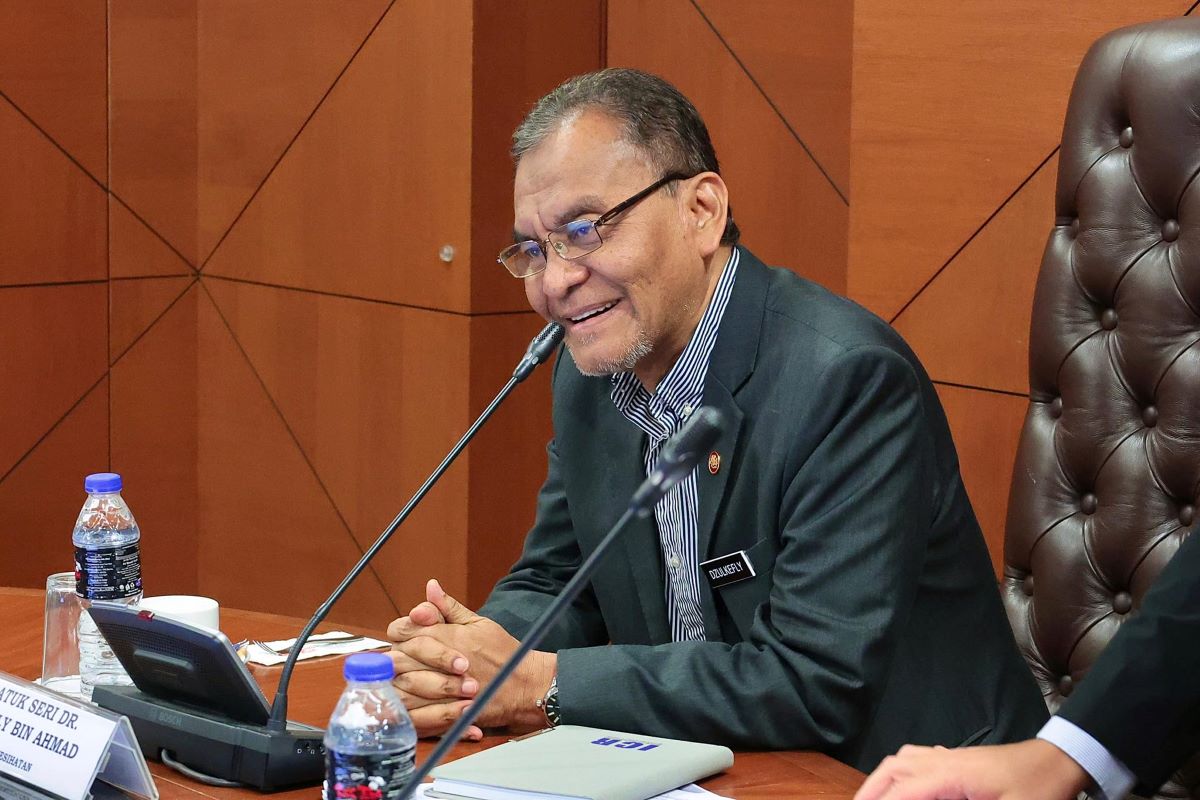
In his response, Health Minister Dzulkefly Ahmad said the increase in cases of ADHD and autism can be attributed to the following factors:
Early Detection Programmes
MOH has been running programmes on early detection of disabilities, including autism and ADHD since the 1990s.
Continuous training, development of CPG (clinical practice guidelines) and screening using M-CHAT has improved the ability of health personnel to detect such cases early.
M-CHAT, which stands for Modified Checklist for Autism in Toddlers, is an assessment test for early screening of autism.
Societal Awareness
Awareness among parents and society about autism and ADHD has been growing due to easily accessible resources, campaigns, and celebration of World Autism Awareness Day every year.
Detection In Schools
Detection of ADHD and autism cases is also done in schools. Teachers have been trained to identify cases among students, allowing early intervention to be carried out.
“To date, there is no specific study to reduce cases of ADHD and autism because the cause is not yet known,” said Dzulkefly. “However, based on literature review, the following are best practices for reducing the risk of ADHD and autism.”
Good Prenatal Care
- Avoid cigarette smoke pollution.
- Pregnant women do not smoke, drink alcohol, or take medication without doctor’s advice.
- Practise a healthy diet and take supplements such as iron and folic acid for baby brain development.
Reduce Environmental Pollution
Avoid pesticides and lead.
Creating A Stable Psychosocial Environment
Ensure a stress-free environment for healthy emotional and cognitive development.
Early Detection And intervention
Focus on detection and early intervention against symptoms of ADHD and autism to improve children’s ability to overcome problems and participate in society.
This will also have a positive impact on their development.