

It is heartening to see that the government has given more emphasis to persons with disabilities, both in Budget 2025 and Rancangan Malaysia Ke-13 (RMK13), focusing on services for children with autism.
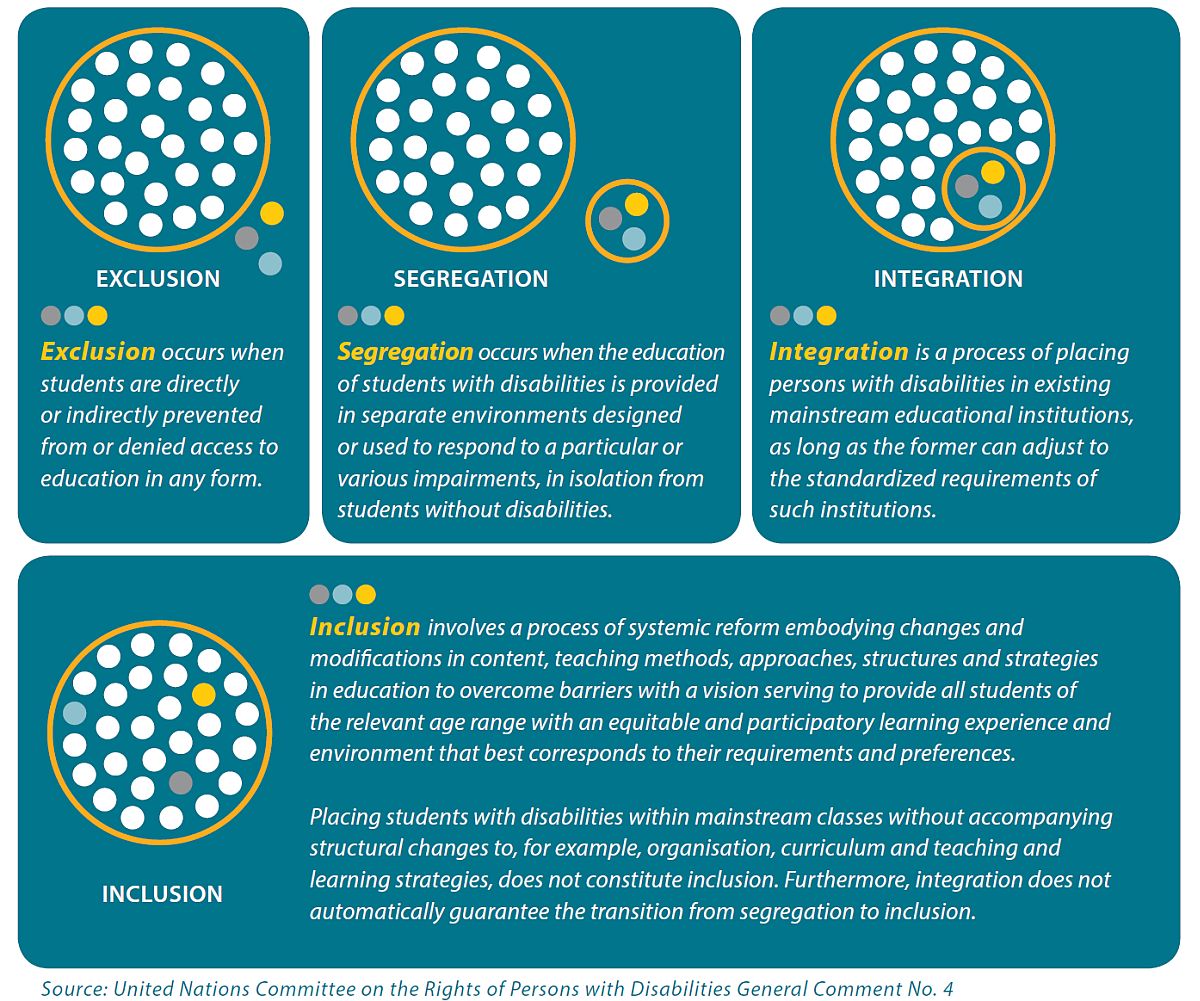
The government also announced the expansion of existing special needs facilities nationwide, including the construction of integrated special education programme (PPKI) blocks at existing and new schools (PPKI is integration and not inclusion).
The Prime Minister stated in Budget 2025 that the school in Johor Bahru “will be the first dedicated school to focus on autistic education.”
Some parents of children with disabilities are pleased with these planned services. There is such a lack of quality national education services for children with disabilities that any initiative, regardless of possible long-term harm that might ensue, is welcomed by parents, especially those who cannot afford expensive private services.
Other parents are concerned that their children might face challenges, including bullying and trauma in the mainstream education system. Thus, these parents prefer educational programmes with trained professionals who can provide the support that their children need.
We must look at the evidence and the success internationally and regionally, and the lived experience of many families. Inclusive education has benefited all students, including those without disabilities.
Experience and overwhelming evidence show that, when we include persons with disabilities in education, employment, transport access, building access and all other aspects of life, all of society benefits.
We benefit academically, economically and socially. We become a morally better society that accepts diversity, one with strengthened social bonds.
While segregated or integrated education may appear to address the needs of children with disabilities and their families, they deny children with disabilities the right to belong from the start. Inclusion is not something that begins in adulthood – it is a right that must be realised from birth across the life course.
When children with disabilities are excluded or only partially included in school, they lose a vital and consistent opportunity to learn, connect, and belong alongside their peers. For many, there are few or no alternative spaces to build these skills and relationships, leaving them less prepared to participate fully in community life.
This creates systemic barriers and imposes long-term strain on parents and care partners–often siblings and extended family–who are often expected to fill the gaps left by inadequate support.
Denied appropriate support and opportunities to develop the requisite skills and means for living and working in mainstream society, children with disabilities face even greater challenges as adults–barriers for inclusion into tertiary education and employment.
Segregation or integration also denies non-disabled students the chance to learn, play, and build relationships with disabled peers, limiting the growth of mutual understanding, empathy, and the foundation of an inclusive society.
Everyone lives in and contributes to society, and education should reflect this by providing real opportunities for belonging and inclusion.
Full inclusion cannot happen overnight, but without a clear plan, we risk delaying the very progress needed to build a truly inclusive nation. For example, all teachers will have to be trained in Universal Design for Learning, curriculum modification, and individualised assessments. Importantly, the cost of inclusive education is lower than that of segregated education.
Hence, we have to ask: why are we, as a nation, moving backwards when the evidence shows that when children with disabilities are included in mainstream education, all of society benefits?
Is the government poorly advised? On disability rights and services, we have now become an outlier nation in Asean; possibly second from the bottom, except for Myanmar.
Furthermore, a query has emerged: among the many children with diverse disabilities, why are only autistic children benefiting? It is good that there is increased support and funding for autistic children.
But let us please remember also children with Down syndrome, dyslexia,and other learning disabilities, ADHD (attention deficit hyperactivity disorder), cerebral palsy, intellectual disability, developmental language disorder, visual and hearing disabilities, multiple disabilities and many more. Collectively, they make up 10 to 15 per cent of all children and are equally entitled to support and investment.
50We appeal to the government to bring our national disability services into the 21st century and in line with progressive Asean partners, with adequate investment to achieve inclusion in education, employment, and all of society–the bedrock of any nation.
Please demonstrate leadership commitment to advancing Malaysia towards disability-inclusive education and employment, out of segregation, and beyond non-CRPD compliant integration.
Dr Amar-Singh HSS, San Yuenwah, Anit Kaur Randhawa, and Ng Lai-Thin are members of The OKU Rights Matter Project.
- This is the personal opinion of the writer or publication and does not necessarily represent the views of Ova.