

Planning for a pregnancy can involve a whirlwind of emotions. The whole idea of having a little one can be exciting.
Ensuring a healthy and successful pregnancy, on the other hand, can be overwhelming.
To ease the pressure, every couple should understand fertilisation and the process behind it before conceiving.
Here are a few things that are good to know before you start planning for a successful pregnancy.
What Is Fertilisation?
Fertilisation is a very important step in pregnancy. Fertilisation occurs when the sperm from a male and egg from the female combine and form an embryo.
After nine months, the embryo then develops into a baby.
Where Does Fertilisation Happen?
There is a common misconception that fertilisation occurs in the uterus. Having that said, fertilisation does not occur in the uterus, instead, it takes place within the fallopian tubes.
Following intercourse, the sperm from the ejaculation travels through the cervix into the womb. Typically, an egg is released from the ovary during ovulation.
Fertilisation occurs when the sperm successfully reaches the egg. The fertilised egg, also called an embryo, travels to the uterus where it implants.
However, for some couples, conception can be challenging due to fertility issues. In cases where fertility can be a challenge, undergoing fertility treatments like in vitro fertilisation (IVF), where the egg and sperm will be fertilised outside the uterus in a petri dish can be a big help.
Only after successful fertilisation will the embryo be transferred back into the uterus to form a baby.
When Does Fertilisation Happen?
Fertilisation takes place at the same time as ovulation, which is when the mature egg is released from the ovary.
The egg travels through the fallopian tube, awaiting fertilisation by the sperm.
If the fertilising process is not successful, the egg, along with the uterine lining is shed during menstruation.
How Do Fertility Issues Affect A Successful Pregnancy?
Infertility can drastically impact a couple’s chances of getting pregnant. This can cause emotional stress and a strain in the relationship.
Therefore, understanding the factors hindering a successful pregnancy is important for couples seeking to start a family.
Below are some of the factors.
Blockages In Fallopian Tube: The fallopian tube is an essential organ in the female reproductive system. Any issues with the fallopian tube usually indicates infertility issues.
One of the most common problems is a blocked fallopian tube, which restricts the passage for the sperm to journey towards the egg, therefore, not allowing fertilisation to occur.
Endometriosis: A female is said to have endometriosis when the tissue that lines the inside of the uterus grows outside of the uterus.
These growths can block or distort the fallopian tube which will affect the function of the fallopian tube, making it hard for the sperm to reach the egg.
Polycystic Ovarian Syndrome (PCOS): Around 116 million women around the world suffer from PCOS, a hormonal condition. This hormonal condition affects the insulin levels in a female’s body.
This leads to an increase in the male hormone, androgen, thus interfering with the ovulation process.
This hormonal imbalance creates cysts that are caused by the natural process of eggs not maturing and releasing.
Male Infertility: A male is considered infertile when he is unable to contribute to conceiving a child.
For successful fertilisation to occur, the sperm would have to be healthy with good motility, shape, and a sperm count of no less than 15 million.
Unhealthy sperm may not be able to penetrate the egg to fertilise it.
Unknown Causes: Sometimes, a regular fertility test may not be able to detect the cause of infertility.
Although the causes are not identified, several factors like age-related infertility and ovulation issues can be a reason.
Conditions like these affect the fertilisation between the egg and sperm, causing conceiving challenges.
Therefore, it is advisable to consult a fertility specialist at an early stage to identify if there are any fertility issues.
What Are The Differences Between Natural Fertilisation And Fertilisation Through Treatments?
Natural fertilisation occurs when the sperm fertilises the egg in the fallopian tube without any medical intervention.
In contrast, fertilisation involving medical intervention is when the whole process is assisted using fertility treatments.
The place as to where the fertilisation happens depends highly on the treatment method employed.
Below are some of the treatments available.
In Vitro Fertilisation (IVF): IVF is one of the most recognised fertilisation treatments. The sperm and eggs collected will be fertilised in a petri dish.
Only when the egg is fertilised will the embryo be transferred back to the womb.
IVF is the suggested treatment for women diagnosed with endometriosis, PCOS, and more.
Intracytoplasmic Sperm Injection (ICSI): ICSI is a procedure where a single sperm is directly injected into an egg. This treatment is recommended when there is a low sperm count and unhealthy sperm, therefore presenting challenges for the sperm to penetrate the egg.
Intrauterine Insemination (IUI): IUI involves inserting the sperm directly into the womb nearing the time of ovulation to increase the chances of fertilisation.
Couples with low sperm count, mild endometriosis, or unexplained infertility may benefit from IUI.
What Happens During The Implantation Process?
After a deeper understanding of where and how fertilisation occurs, let’s move on to the implantation process.
When a fertilised egg attaches itself to the uterine lining and develops into an embryo, that’s when implantation occurs.
For a pregnancy to be deemed successful, the embryo needs to stick to the womb. Below are some common causes the embryo fails to stick to the womb.
Hormonal Imbalance: Hormonal imbalance occurs when an individual produces too much or too little of one or more hormones, which will eventually affect the implantation process.
Poor Egg Quality: As women get older, the quality of their eggs are reduced, which makes implantation a challenge.
Some older women require more rounds of IVF before a successful outcome.
Lifestyle Choices: Poor lifestyle choices, like smoking and excessive alcohol consumption can increase the likelihood of risky pregnancy or pregnancy loss.
Moreover, the increased level of stress in an individual can also affect the implantation process.
It is always important for couples to not give up after one round of unsuccessful implantation as there are chances for it to be successful in the next round.
However, if couples are unable to conceive after repeated attempts, it can indicate an infertility issue.
Couples are recommended to visit a doctor to properly determine the reason and the proper treatment that goes along with it.
What To Do While Preparing For Pregnancy?
A healthy body and lifestyle will contribute to a successful and healthy pregnancy. Here are some steps that can be considered to significantly enhance the chances of a healthy and successful pregnancy:
Consultation With A Doctor: It is important to make certain that you are in good health before conceiving. Consulting a doctor will ease the process and address any health concerns you may have.
Practise a Healthier Lifestyle: A healthy lifestyle highly contributes to a successful pregnancy. It is important to be mindful of our eating habits, include a healthy diet, avoid smoking and excessive alcohol consumption, amongst other things.
Prenatal Care: Prenatal care visits with your doctor are a very important part of being pregnant. You will be able to monitor your pregnancy through the regular check-ups.
To conclude, understanding the whole fertilisation process and consulting a fertility doctor to receive a personalised plan makes it easier for couples to plan a healthy and successful pregnancy.
This article is intended for educational purposes only. All contents here are general in nature and does not take into account your personal circumstances. Please consult with your health care professional to ensure you get the right diagnosis and treatment.
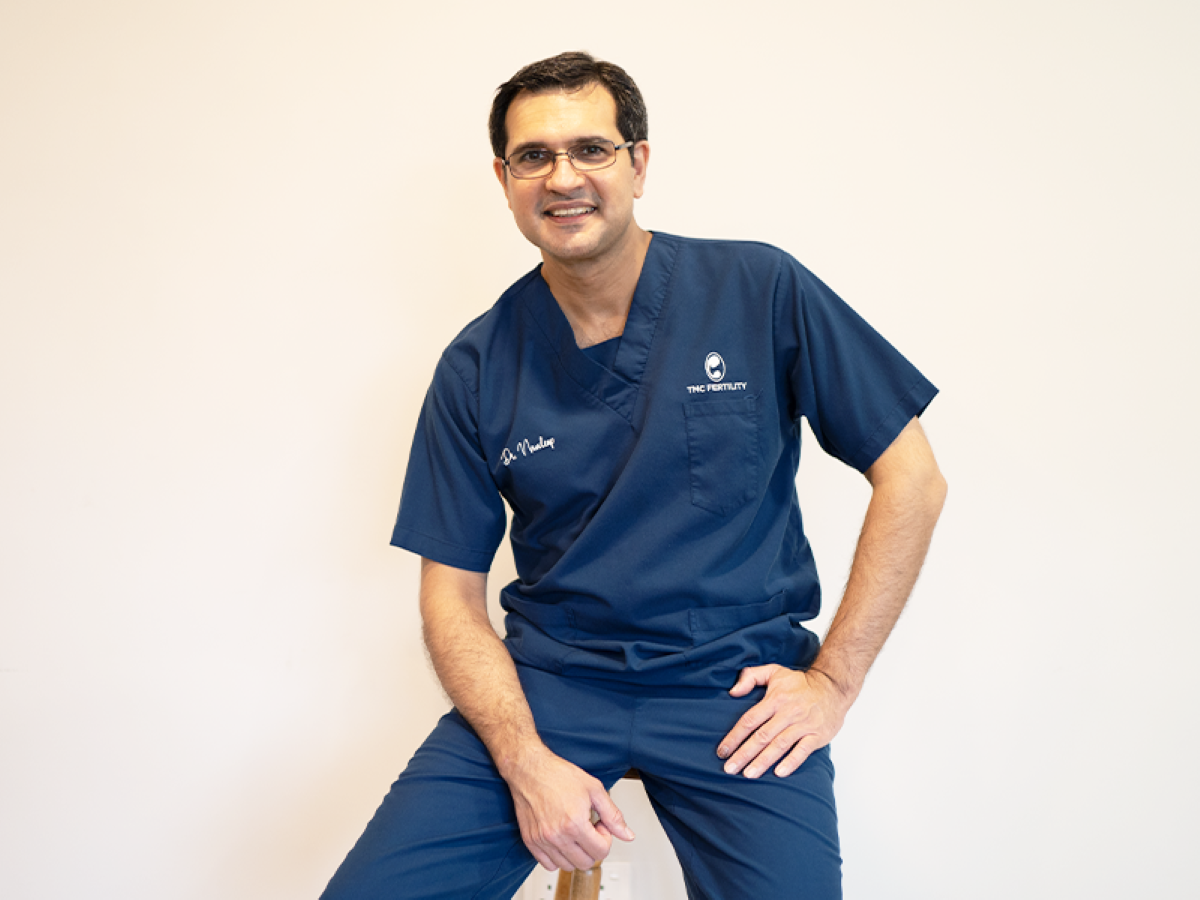
Dr Navdeep Singh Pannu, a fertility specialist, currently serves as the medical director at TMC Fertility and Women’s Specialist Centre in Puchong. With over a decade of experience, he has assisted couples of all ages and from various parts of the world in building the families they have always wanted. Additionally, he is a consultant obstetrician, gynaecologist, and laparoscopic surgeon.
- This is the personal opinion of the writer or publication and does not necessarily represent the views of Ova.