


KUALA LUMPUR, July 4 — Malaysia is experiencing an alarming surge in Hand, Foot and Mouth Disease (HFMD) cases, with the Ministry of Health (MOH) reporting a staggering 99,601 cases nationwide as of Week 17.
This represents a 266 per cent increase compared to the same period last year. With young children particularly vulnerable, parents across the country are seeking practical steps to protect their families from this highly contagious illness.
Understanding the Surge: Why Are HFMD Cases Rising?
Dr. Ch’ng Tong Wei, consultant general paediatrician at Sunway Medical Centre, shares several reasons for the current spike.
“HFMD tends to peak in Malaysia after the March–April heat and into the first half of the southwest monsoon wet season,” she explained.
“Warm, humid weather allows the virus to survive longer on hands, toys and surfaces.”
The crowded conditions in nurseries and kindergartens also contribute to the spread, especially with young children who frequently put their hands and toys in their mouths.
On top of that, Dr. Ch’ng adds, “Covid‑era distancing left young children with fewer viral exposures. As life returned to normal, a larger pool of susceptible toddlers emerged.”
Who Is Most At Risk?
Children under six years old account for around 80 per cent of HFMD cases in Malaysia, with toddlers aged one to three facing the highest risk due to underdeveloped immune systems and frequent hand-to-mouth behaviour.
While most HFMD symptoms are mild, lasting between three to seven days and including fever, mouth ulcers, and blisters, complications such as dehydration or, in rare cases, viral meningitis can occur.
Dr. Ch’ng stresses the importance of vigilance: “If your child develops a high fever, seizures, a stiff neck, or breathing difficulties, seek emergency care immediately.”
She also urges parents to seek emergency care if a child develops high fever, seizures, stiff neck, or has trouble breathing.
Transmission: How HFMD Spreads At Home And In Schools
HFMD spreads through saliva, nasal discharge, blister fluid, faeces, and contaminated surfaces. In warm and damp environments, the virus can survive for days, making high-touch areas at home and in childcare settings especially risky.
At home, key contamination zones include:
- Stuffed animals and plastic toys.
- Dining tables and high chairs.
- Toilet handles and bathroom sinks.
- Electronic devices like tablet screens.
In childcare facilities, pay close attention to:
- Shared art supplies and books.
- Playmats and water fountains.
Prevention Starts At Home: Tips For Parents
Protecting your child from HFMD doesn’t require drastic changes, but it does take consistency, awareness, and a few smart habits.
According to Dr. Ch’ng, prevention begins with the basics: hygiene, cleanliness, and early isolation when someone falls ill.
Here are her top recommendations for parents:
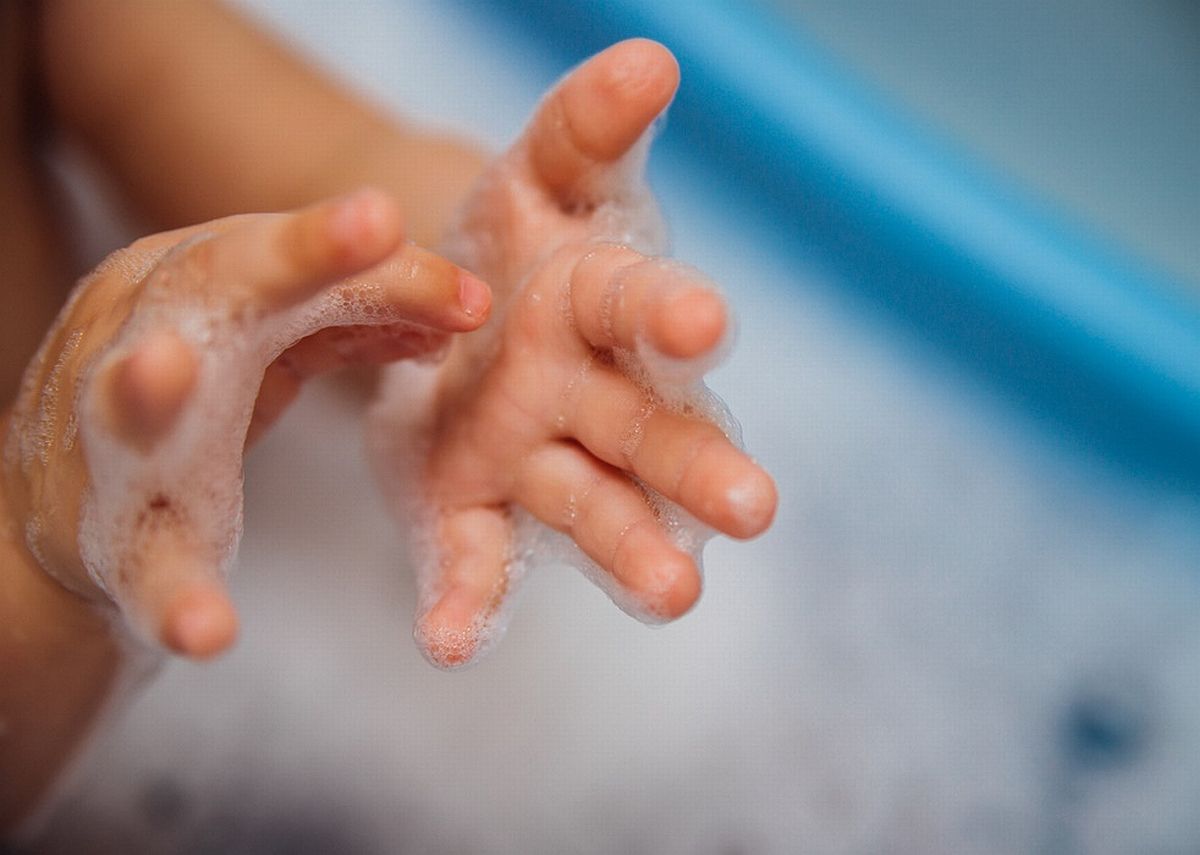
- Handwashing: “Wash hands with soap for at least 20 seconds, especially after diaper changes, toilet use, and before meals.”
- Toy rotation system: Use a “clean box” and a “used box.” Disinfect used toys before putting them back in play.
- Surface cleaning: Wipe down high-touch areas like doorknobs and switches daily.
- Ventilate: Fresh air helps reduce viral load in indoor spaces.
- Isolate if sick: If one child is infected, avoid playdates and keep them apart from siblings as much as possible.
Parents are also advised to maintain long-term hygiene habits such as keeping children’s nails trimmed and discouraging finger-sucking or nail-biting.
Proactive Parenting For Peace Of Mind
While the spike in HFMD cases is cause for concern, there are many effective and accessible ways to safeguard children.
As Dr. Ch’ng affirms, “Most HFMD cases are mild, but early prevention and care make a big difference.”
By combining strong hygiene practices with smart, health-forward home improvements, parents can create environments where children feel both safe and free to thrive.