

Endometriosis is a prevalent condition that significantly impacts women’s reproductive health and fertility.
One of the more common causes of infertility, endometriosis often goes undiagnosed due to the misconception that severe menstrual pain is normal.
This misconception creates a barrier to the prompt diagnosis and treatment of the disease.
Period pain is a significant symptom, yet because many women experience painful menstruation, it is often dismissed as a normal part of the menstrual cycle.
Rising Infertility Rates And Endometriosis
The global infertility rate has been climbing in recent years, largely due to various health issues affecting women.
According to the World Health Organization (WHO), endometriosis affects approximately 10 per cent (190 million) of women of reproductive age worldwide.
What Is Endometriosis?
Endometriosis occurs when tissue similar to the lining inside the uterus (endometrium) starts to grow outside the uterus, often around the pelvic area.
During menstruation, this ectopic tissue responds to hormonal changes just like normal endometrial tissue–it thickens, breaks down, and bleeds.
However, unlike the endometrial tissue within the uterus, this displaced tissue cannot exit the body.
Instead, it becomes trapped, leading to inflammation, the formation of scar tissue, and severe pain.
Endometriosis And Fertility
Endometriosis can significantly impact fertility, with about 30 to 50 per cent of women with the condition experiencing difficulties conceiving.
Often, women only discover they have endometriosis when they encounter challenges in getting pregnant. The ways in which endometriosis affect fertility include:
- Tissue Overgrowth: Endometrial tissue can grow around the ovaries, obstructing the release of eggs into the fallopian tubes.
- Adhesions: Endometriosis can cause adhesions or bands of scar tissue outside the fallopian tubes, which can impair their function.
- Endometriotic Cysts: Also known as chocolate cysts, these can produce substances that negatively affect the density and quality of ovarian follicles, which are essential for releasing mature eggs.
Symptoms Of Endometriosis
Women with endometriosis often experience a variety of symptoms that can severely affect their quality of life. These symptoms include:
- Painful Periods: Intense menstrual pain that goes beyond typical cramps.
- Chronic Pelvic Pain: Persistent pain in the pelvic region.
- Pain During Intercourse: Discomfort or pain during or after sex.
- Pain With Bowel Movements Or Urination: Particularly during menstrual periods.
- Excessive Bleeding: Heavy menstrual periods or bleeding between periods.
- Infertility: Difficulty in getting pregnant.
- Other symptoms may include fatigue, diarrhoea, constipation, bloating, and nausea, especially during menstrual periods.
Treating Endometriosis
Endometriosis is a chronic and progressive disease with no definitive cure. However, its symptoms can be managed to improve quality of life and fertility prospects. Treatment options for endometriosis typically include:
Pain Management
- NSAIDs: Non-steroidal anti-inflammatory drugs such as ibuprofen can provide symptomatic relief from pain and inflammation.
Hormone Therapy
- Oral Contraceptives: These contain estrogen and progestin, which help regulate hormones, reduce menstrual flow, and alleviate symptoms.
- Gonadotropin-Releasing Hormone (GnRH) Agonists: These medications reduce estrogen production, inducing a temporary menopausal state to relieve symptoms.
- Progestin Therapy: Medications like dienogest (Visanne) help reduce the size of endometrial lesions and alleviate pain.
- Danazol: A synthetic derivative of testosterone that helps suppress menstruation and reduce endometrial growth.
Surgical Interventions
- Laparoscopy: A minimally invasive surgery used both for diagnosing and removing endometrial tissue. A laparoscope is inserted through a small incision in the abdomen to excise or burn away endometrial growths.
- Laparotomy: A more extensive surgery for severe cases, aimed at removing as much endometrial tissue as possible.
- Hysterectomy: In severe cases, the removal of the uterus, and sometimes the ovaries, may be necessary, particularly if other treatments have failed and the symptoms are debilitating.
Fertility Preservation And Surgery
Surgical treatment of endometriosis can sometimes lead to a reduction in ovarian reserve, which is the number of viable eggs a woman has.
Therefore, doctors often recommend fertility preservation techniques such as egg freezing prior to surgery.
This ensures that eggs are available for future use, preserving the possibility of pregnancy even if ovarian function is compromised by the surgery.
Living With Endometriosis
Endometriosis can have a profound impact on a woman’s life, particularly during her reproductive years.
Managing this condition involves a multifaceted approach that includes medical treatment, lifestyle changes, and support from health care providers.
Medical Monitoring
Regular follow-ups with a healthcare provider are essential to manage symptoms and monitor the effectiveness of treatments. This includes routine ultrasounds to check for the growth of endometrial tissue and cysts.
Nutritional And Lifestyle Adjustments
Dietary changes, such as adopting an anti-inflammatory diet rich in fruits, vegetables, whole grains, and omega-3 fatty acids, can help manage symptoms.
Regular physical activity and maintaining a healthy weight can also alleviate symptoms and improve overall wellbeing.
Emotional And Psychological Support
Coping with chronic pain and fertility issues can be emotionally taxing. Support from counsellors, support groups, or mental health professionals can be beneficial.
Education And Empowerment
Knowledge is power. Women with endometriosis should educate themselves about the condition, treatment options, and ways to manage symptoms. This information empowers them to make informed decisions about their health and fertility.
Endometriosis is a challenging condition that significantly impacts fertility and quality of life.
Despite the lack of a cure, various treatment options can manage symptoms and improve the chances of conception.
With a comprehensive approach that includes medical treatments, lifestyle changes, and psychological support, women with endometriosis can lead fulfilling lives and achieve their reproductive goals.
It is crucial for women to seek early diagnosis and treatment, stay informed, and work closely with their health care providers to manage this complex condition effectively.
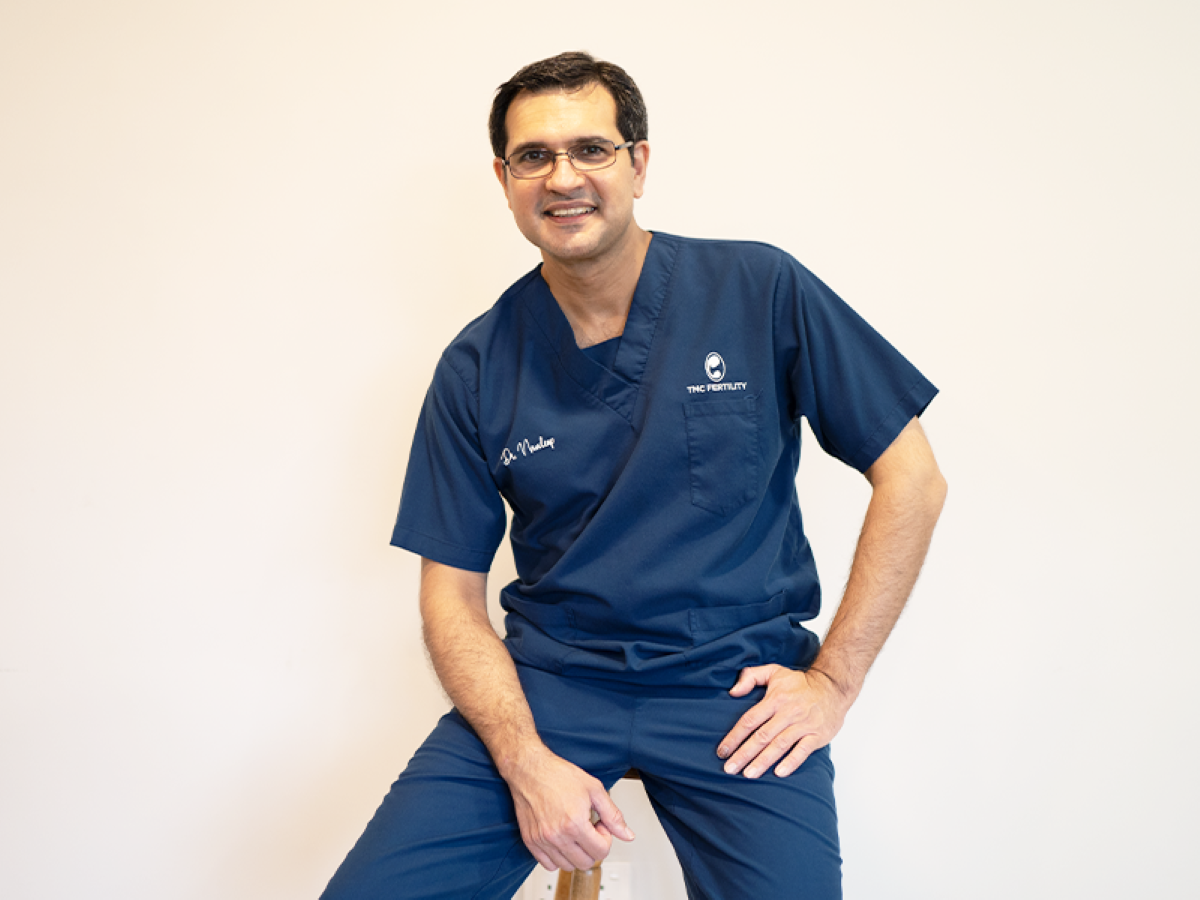
Dr Navdeep Singh Pannu, a fertility specialist, currently serves as the medical director at TMC Fertility and Women’s Specialist Centre in Puchong. With over a decade of experience, he has assisted couples of all ages and from various parts of the world in building the families they have always wanted. Additionally, he is a consultant obstetrician, gynaecologist, and laparoscopic surgeon.
- This is the personal opinion of the writer or publication and does not necessarily represent the views of Ova.