

KUALA LUMPUR, March 11 – In Malaysia, women now make up 10 per cent of total HIV cases, with 330 new infections reported among women and girls in 2023.
While new HIV cases have decreased by 66 per cent since 2002, progress remains uneven.
Gender disparities in health care access, economic security, and social protection continue to put women at greater risk.
Additionally, the rising prevalence of sexual transmission further heightens women’s vulnerability to HIV.
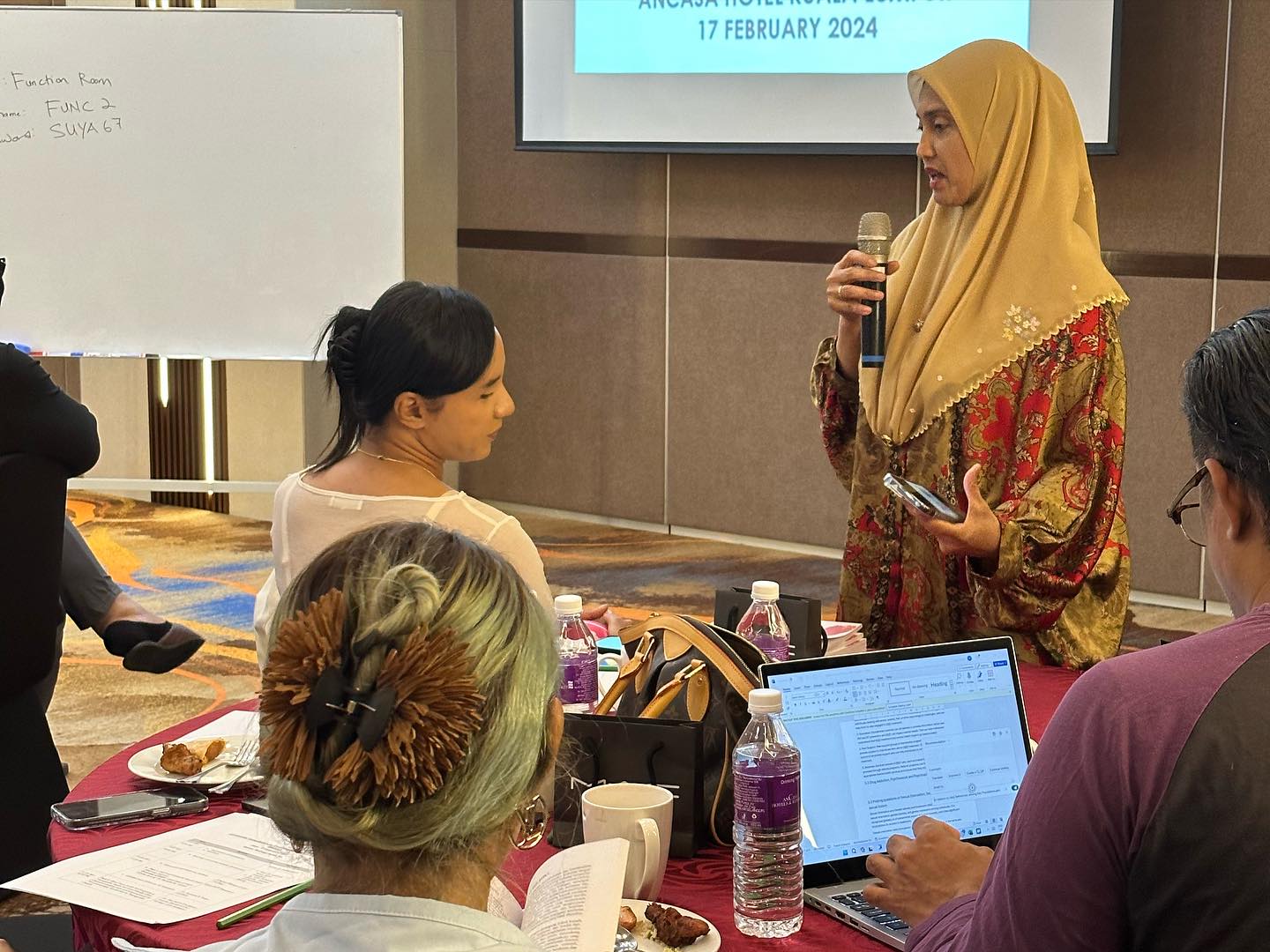
Malaysian AIDS Foundation (MAF) chairwoman, Prof Dr Adeeba Kamarulzaman, underscored the critical role of women in the AIDS response:
“HIV/AIDS is not just a public health issue, it is a gender equality issue, a human rights issue, and a social justice issue.
“If we are serious about ending AIDS, we must commit to a future where all women, regardless of socio-economic background, geographic location, or HIV status, have the tools, knowledge, and support to lead healthy, empowered lives.
“This requires a fundamental shift in how we approach HIV prevention and treatment — one that amplifies women’s voices, prioritises gender equity, and recognises that when women are empowered, entire communities benefit.”
Dr Adeeba further emphasised the need for greater investment in gender-responsive HIV prevention and treatment programs:
“Expanding access to PrEP, HIV self-testing, and comprehensive sexual health education is essential, particularly for young women and key populations who face persistent barriers to health care.
“Many women, especially those from marginalised communities, lack access to the information, support, and services needed to protect themselves from HIV.”
Yet, availability is only part of the solution. Structural, financial, and cultural obstacles often hinder women from utilising these resources effectively.
To overcome these challenges, it is crucial to make PrEP affordable through public health care systems, incorporate HIV self-testing into community-driven initiatives, and ensure sexual health education is inclusive, age-appropriate, and accessible.
Empowering women and girls with the knowledge and tools to make informed health decisions — free from fear or stigma — is vital.
As efforts to combat HIV persist, addressing these gaps must remain a central focus to ensure equitable access and progress.
Malaysian AIDS Council (MAC) president, Assoc Prof Dr Raja Iskandar Shah Raja Azwa, highlighted the importance of addressing socio-economic disparities affecting women impacted by HIV:
“Providing women with skills training and economic opportunities is crucial in reducing vulnerabilities that increase their risk of HIV. Economic independence is not just about financial security — it is about agency, choice, and the ability to make decisions free from coercion.
“Women who are financially empowered are more likely to negotiate safer sex, leave abusive relationships, and access health care without depending on a partner’s consent or resources.
“This is particularly vital for women in underserved and rural communities, where economic dependence can trap them in cycles of risk and disempowerment.
“Investment in skills training, education, and employment initiatives must be part of our HIV response if we are to address the root causes of women’s vulnerability to HIV.”
As Malaysia works toward ending AIDS by 2030, empowering women must be at the heart of the HIV response.
When women have access to knowledge, health care, and leadership opportunities, the impact extends beyond individuals — it transforms entire communities.
This International Women’s Day, let us recognise and celebrate the leadership, resilience, and contributions of women in the fight against HIV/AIDS.
When women are empowered, we move closer to ending AIDS.