

KUALA LUMPUR, Sept 12 – According to statistics from the Royal Malaysian Police (PDRM), 25 per cent of domestic violence victims from 2022 to 2024 were male.
Domestic violence cases rose last year to 7,116 cases from 5,507 cases in 2023, which was a decrease from 6,540 cases in 2022.
Twenty-five per cent of the victims from the total number of cases from 2022 to 2024 were male, which comes up to 4,856 victims.
Women continue to make up the overwhelming majority of domestic violence cases at 75 per cent or 14,307 victims.
Statistics also record that the top five categories of victims are wives, followed by parents, siblings – brothers or sisters – and ex-wives.
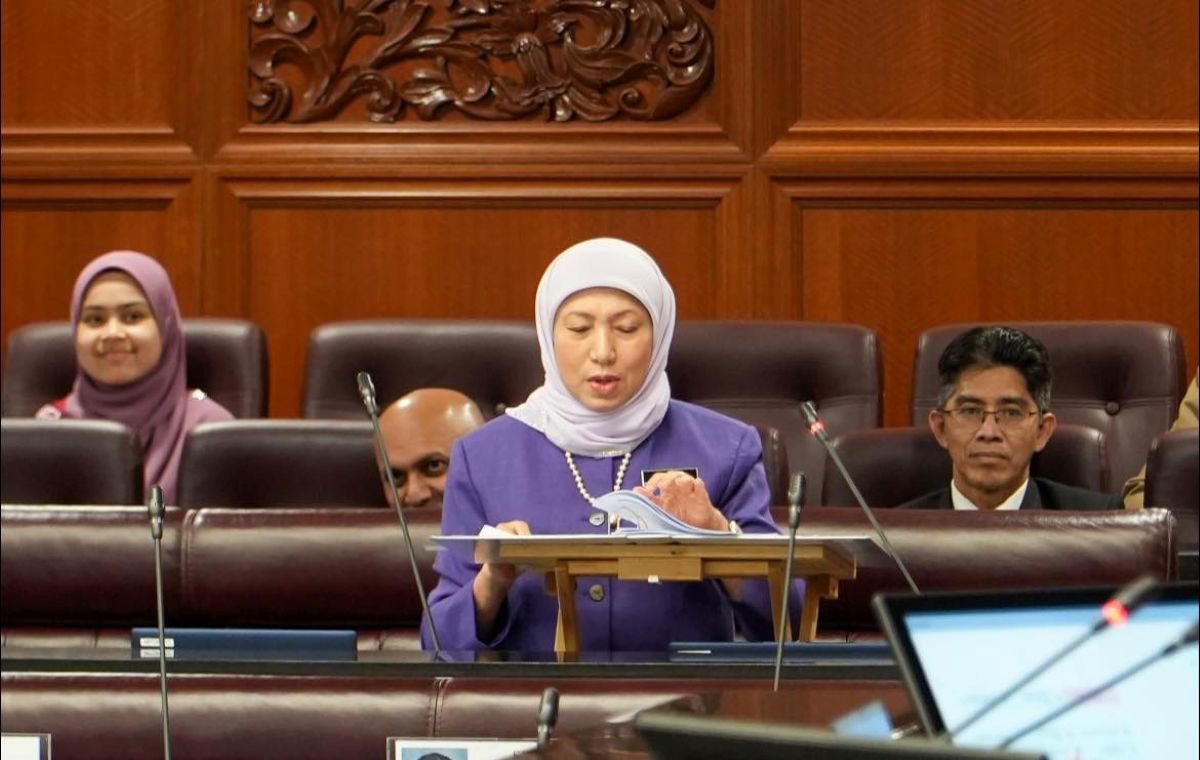
The figures were provided in a written Dewan Negara reply by the Ministry of Women, Family and Community Development (KPWKM) to senator Nelson W Angang who wanted to know the government’s measures in addressing the issue of domestic violence involving male victims, including physical, mental abuse and sexual crimes, as well as the ministry’s efforts to change social perceptions of them as victims.
The issue of domestic violence falls under the purview of the Domestic Violence Act 1994 [Act 521], the Penal Code Act [Act 574] and other relevant laws to protect the rights and safety of victims of domestic violence regardless of gender, race or nationality, said KPWKM minister, Nancy Shukri.
She added that KPWKM provides assistance and support to victims of domestic violence regardless of gender.
“Every victim of domestic violence is entitled to receive protection through an emergency protection order, a temporary protection order or a protection order if necessary.
“Temporary placement services in a safe place and psychological and counselling services for victims of domestic violence are also provided to all victims in need.”
Nancy said KPWKM has also established a Committee to Combat Domestic Violence (JKRT). “This committee serves as the main platform to coordinate and monitor efforts and matters related to domestic violence.
“It is also responsible for identifying issues and problems and discussing the best coordination methods and also functions as a facilitator to ensure that domestic violence legislation, standard operating procedures (SOPs) and guidelines are implemented effectively.”
Additionally, KPWKM through the National Welfare Foundation (YKN) has established a Local Social Support Centre (PSSS) to offer holistic psychosocial services to the community through guidance and counselling sessions as well as referrals for welfare assistance to help the community in need, she said.
The operation of PSSS is carried out regularly on the premises and also on a mobile basis to ensure that welfare services to the community are fully optimised.
Psychosocial support services are also provided by KPWKM through the KASIH Line 15999 which operates 24 hours a day, free of charge.
“In an effort to strengthen the foundation of the family institution and subsequently increase the awareness of each individual in the family regarding their respective responsibilities and roles in order to reduce the factors that cause domestic violence, KPWKM through the National Population and Family Development Board (LPPKN) carries out various programmes for the empowerment and well-being of families involving target groups of men and women,” she continued.
These include a Marriage Preparation Programme, which is delivered through the SMART START Pre-Marriage module to provide participants with knowledge about preparations before entering the world of marriage, and the The Parenting@Work programme which aims to help families learn techniques for balancing their responsibilities to family and employers.
Other programmes include a Parenting Education Programme that aims to promote education and knowledge about family development including parenting skills, marriage preparation, emotional management, family health and adolescent development, and a Family Safety Education programme (PEKA) that aims to raise awareness among parents and guardians in addressing issues of neglect, negligence, abuse and ensuring the protection of children, especially in today’s digital world.