

KUALA LUMPUR, June 19 – Patients with endometriosis often feel lonely and misunderstood because no one, not even medical professionals sometimes, can understand their suffering because of the disease’s lack of obvious physical symptoms.
Endometriosis is characterised by debilitating pain due to the endometrial tissue lining the uterus, also growing outside of it, which can cause inflammation and the formation of scar tissues.
As a result, patients with the disease suffer from severe pain during menstruation, sex, urination, and defecation, as well as infertility.
What Patients Say About Living With Endometriosis
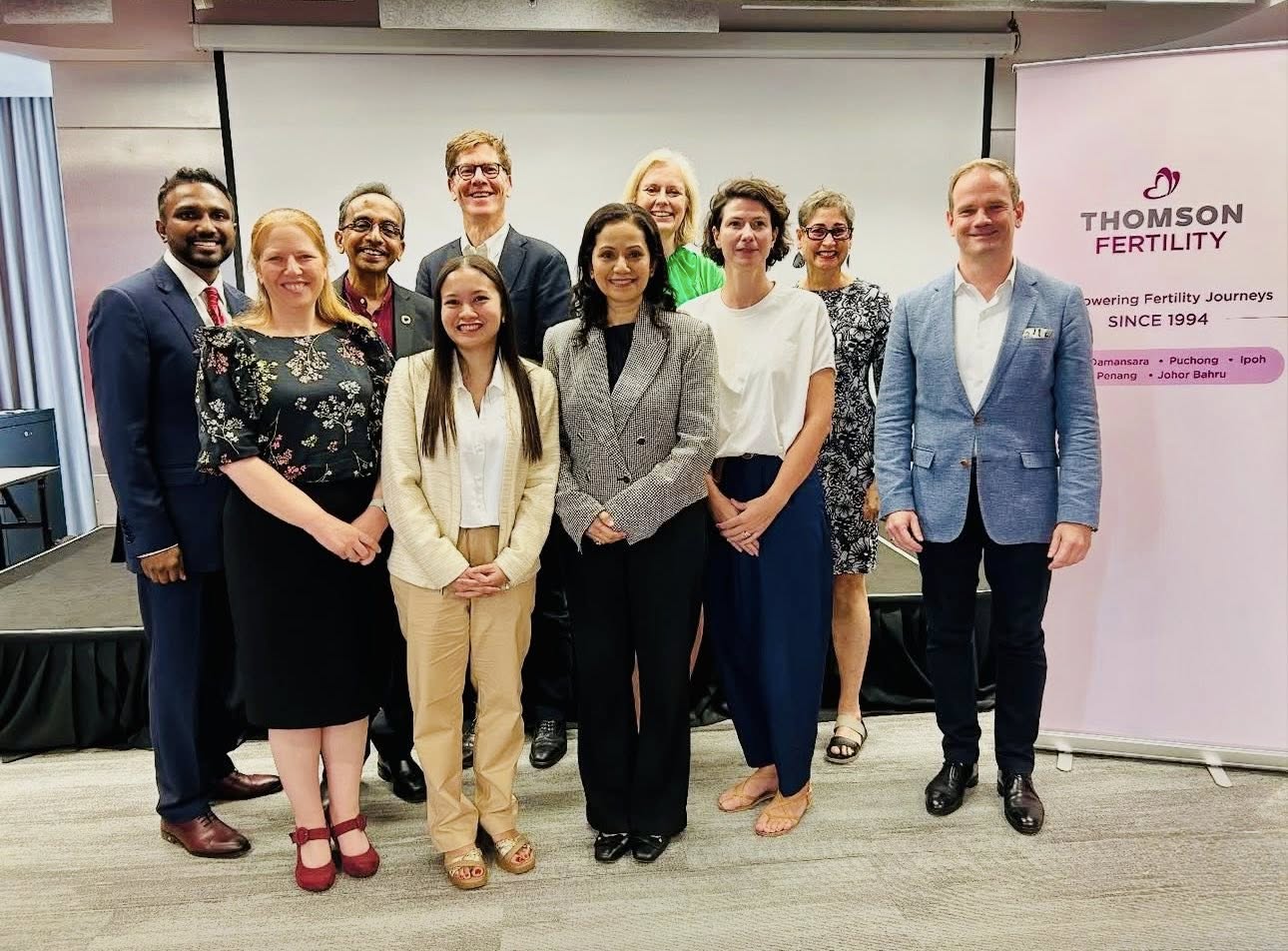
Evodie Paul, a physiotherapist from France, shared some of the patient responses she got after interviewing patients with endometriosis in Malaysia, during a scientific workshop on endometriosis organised by Thomson Fertility last May 27.
A patient said she didn’t bother telling anybody because nobody would understand and had given up hope of ever getting married because of the disease.
There was a patient who said her doctor “definitely didn’t trust her”. He said she was “just too sensitive to pain” and told her to “just get married.”
“I didn’t know where to reach out for help. I was lost. I just want to end my life,” said an endometriosis patient.
“Loved ones and healthcare professionals tend to trivialise symptoms, issue prescriptive statements, and as a result, patients experience emotional loneliness and deep distress,” said Paul.
She had interviewed the patients as part of a separate workshop, also on endometriosis, which advocated the use of peer patients as part of a therapeutic patient education programme.
A Shift In Patient Care Involving Patients Themselves
“A peer patient is someone who has lived with the disease for a long time and is able to assess her experience and knowledge, understand the care pathways, and the emotional and practical impact of the illness, and can share this with others,” Paul explained.
She added that peer patients are part of a shift in how patients are involved in their own care.
“At the beginning, patients were only informed of the care. Now they are consulted, and now we try to deeply involve the patient in their care. And it’s quite new in Malaysia.”
Therapeutic education is a way to improve central patient care, Paul said. Therapeutic patient education educates a patient with a chronic disease on how to have a better quality of life.
“When a woman has a non-dermal flare-up, she can feel powerless without education,” she continued. “But with education, she has better self-control of the disease.”
She added that the therapeutic education programme is compatible with the peer patient approach.
“This is well supported in medical literature. We have studies from Australia, France, and South Korea,” Paul said, adding she conducts therapeutic patient education in France.
Malaysian Patients’ Responses To A Peer Patient
She introduced the programme in Malaysia with the help of Thomson Hospital and the Endometriosis Association of Malaysia (MyEndosis) with a one-day endocare day programme featuring three workshops led by a gynaecologist, a physiotherapist, and a peer patient.
The workshop that was led by the peer patient was about coping strategies and how to have a better way of life. “After the workshop, I asked the patients what they thought about the peer patient,” said Paul.
She shared some the responses she received as follows:
“It kind of confirmed the things that I’ve experienced.”
“At least there is a community, there are people who can really understand me.”
“Ok, there is a way for me to overcome this, in terms of food, learning how to adapt to it, exercise, the way I’m thinking about it, how I’m going to accept it. You can live a life.”
“Now, I can understand and ask questions of my doctor.”
The peer patients validated the experiences of the endometriosis patients in the workshop, helped them adapt with new strategies, and empowered them to regain self-determination, according to Paul.
Four Types Of Patients And The Types Of Support They Need
She added the programme also led her to delve deeper into what kinds of support patients with chronic pain would need.
“When we are in a consultation, we can identify four types of patients. From denials, meaning they minimise their symptoms, to patients who are really well adapted to the disease.”
The first type is the patient who does not seek support. “The peer patient can help them to realise that it’s okay to ask for some support.”
The second type are patients who are really angry towards themselves, their relatives, and their doctor, according to Paul, adding that the peer patient can provide emotional support to patients in this category.
“The third type are patients who have already reached a state of acceptance, and use the sessions to further adapt and integrate educational tools to improve their quality of life. This is informational support.”
Finally, the last type are patients who are already adapted to their illness and are eager to help others because helping others is helping themselves.
“Educating patients means giving them power,” Paul said. “I would like to invite anyone interested in developing this new approach in Malaysia to consider supporting and training peer patients.”
Monthly Endometriosis Awareness Initiative At Thomson Fertility
Thomson Fertility has launched Endo Care @ Thomson, a monthly endometriosis awareness initiative held on the first Saturday of every month.
Each session offers education talks and workshops by fertility and gynaecology experts.
The programme is open to the public and aims to break the silence around menstrual health and endometriosis, and help women seek the care they need.