

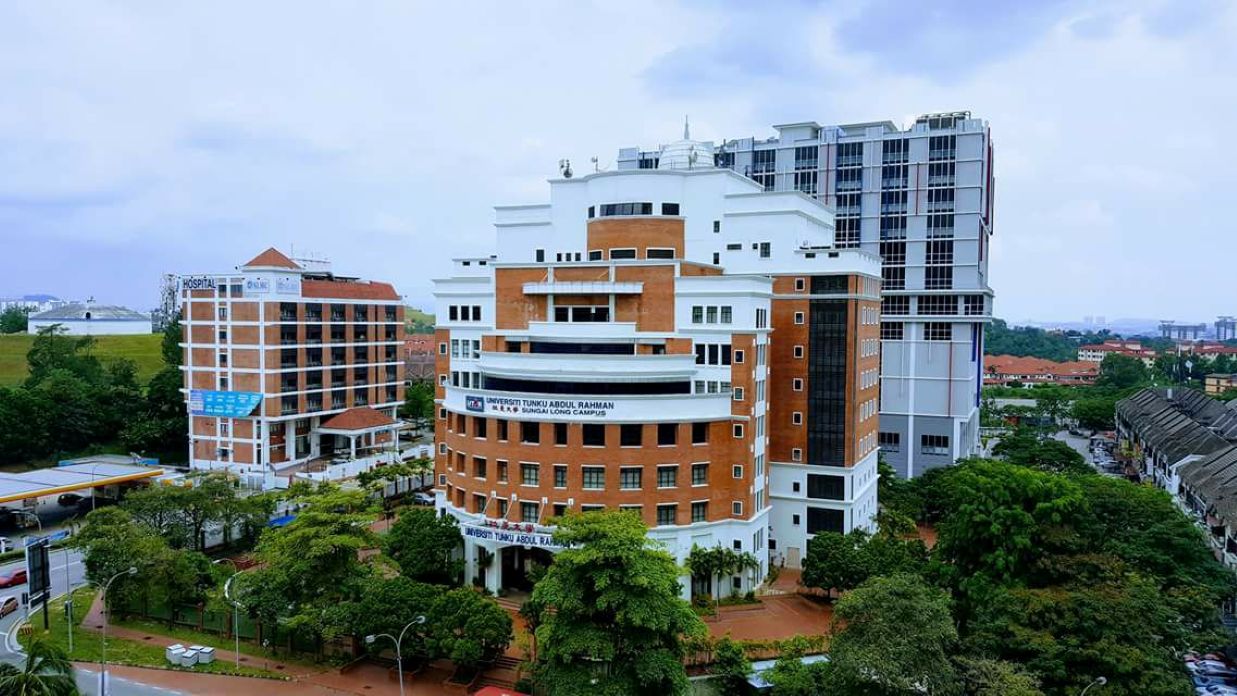
KUALA LUMPUR, July 7 – The Reproductive Rights Advocacy Alliance Malaysia (RRAAM) said it supports the student groups who have spoken out following the controversy over condoms being distributed on campus during a Gender Equality Week event at the Universiti Tunku Abdul Rahman (UTAR) Sungai Long campus.
“Young people in Malaysia face serious challenges, from sexual harassment to the stigma surrounding sexuality and reproductive health. Refusing to engage in honest, inclusive conversations only deepens that stigma,” said RRAAM.
“When students and educators speak openly, share accurate information, and centre lived experiences, they’re advancing public health, not undermining it.”
The women’s rights and health advocacy group added: “Supplying condoms does not ‘encourage’ sexual activity any more than giving out helmets encourages road accidents.
“Malaysia’s youth deserve access to comprehensive, shame-free education on sex, gender, and health.”
RRAAM said it was honoured to be invited to speak during the week’s event on the panel on Consent, Safety, and Rights: Foundations of Sexual Health and the sharing session, My Body, My Stories.
“We commend the organisers for creating space for real, respectful conversations around bodily autonomy, safety, and lived experience.
“They were passionate and aspirational in their efforts to educate and empower their peers, shedding light on important issues that are both pertinent to Malaysia and incredibly important to discuss,” said RRAAM.
The group said it also rejected any attempt to mischaracterise or suppress initiatives like Gender Equality Week.
“We echo the Student Representative Council (SRC) UTAR Sungai Long Campus, Voice of Youtharian (VOY), and Universiti Malaya Feminism Club (UMFC)’s commitment to the original goal of Gender Equality Week – ‘to empower students with knowledge, reduce stigma, and promote empathy in conversations surrounding the body and gender’.
In a joint statement, those student groups said Gender Equality Week was conceived in response to real challenges faced by students and young people in Malaysia, ranging from sexual health issues to gender based discrimination and stigma.
“Ou goal is not to provoke, but to educate, not to divide, but to foster dialogue. We strongly believe that informed discussions and inclusive platforms are critical to nurturing a safe, respectful, and forward-looking student community.
“The topics addressed during Gender Equality Week such as menstrual poverty, reproductive health, and the prevention of sexually transmitted diseases are not theoretical or controversial provocations.
“They are urgent public health concerns that affect the lives of young people across Malaysia, including university students. To conflate these efforts with the promotion of ‘sexual liberalism’ is to ignore the very real challenges facing our generation.”
The student groups cited statistics from the Malaysian Aids Council that showed that nearly half of new HIV infections are recorded among individuals aged 20 to 29.
They also mentioned that the deputy minister of Youth and Sports had revealed that over a thousand Malaysian university students were diagnosed with HIV from 2020 to 2024, with 222 cases reported just in 2024.
“These are not abstract numbers. They reflect our peers, classmates and friends,” said the student groups.
“Against such a backdrop, refusing to engage in honest, open and scientifically founded conversations around sexual health and bodily autonomy does not protect students but fails them.
“The decision to distribute condoms during our campaign, conducted with professional and regulated entities, was a public health intervention grounded in established best practices.
“It was never about promoting a particular lifestyle, but rather about equipping students with knowledge and tools to make informed, responsible choices.”
The student groups said condom distribution as part of HIV prevention strategies is standard practice in many international institutions.
“Malaysia is not immune to the same risks. Universities as spaces of knowledge and empowerment, must be part of the solution but not institutions of denial.
“This campaign did not manufacture a crisis. It simply acknowledged the one unfolding around us.”