

Endometriosis, a chronic condition affecting 5 to 10 per cent of the female population globally, is marked by the growth of endometrial or uterine lining outside of the uterus.
This condition often causes debilitating pain and pronounced reduction in fertility.
To understand this difficult disease, we must first explore its four stages and how it affects a woman’s body and overall reproductive abilities.
Stage 1: Minimal
At this stage, an ultrasound will reveal small patches of endometrial tissue along the pelvic region, with minimal scarring.
Symptoms to be observed include mild, persistent pain in your abdomen, which can get worse during an active period. Others include:
- Painful periods (dysmenorrhea).
- Occasional pain during intercourse (dyspareunia).
- Difficulty conceiving or other indicators of infertility.
Stage 2: Mild
At this point, endometrial lesions can be seen in multiple regions including ovaries, fallopian tubes, and pelvic sidewalls.
This is a sign that the tissue is spreading and embedding deeper into organs external to the uterus. Symptoms to watch for are:
- Moderate pelvic pain, especially at point of menstruation and ovulation.
- Increased frequency painful periods and pelvic discomfort.
- Menorrhagia, or longer, heavier periods.
- Intermittent pain when having intercourse.
Stage 3: Moderate
By this stage, ultrasounds will uncover more significant findings. This may be most pronounced in ovarian tissues and fallopian tubes. Symptoms to observe can include:
- Very heavy menstrual bleeds.
- Painful bowel movements.
- Painful urination.
- Persistent back pain.
- Nausea.
- Prevalence of gastrointestinal symptoms — bloating, constipation, or diarrhoea.
- Ovarian cysts.
Stage 4: Severe
This is the most advanced stage of endometriosis and presents itself with extensive lesions and dense adhesions with some organs even fusing together as a result.
Pain can be significant and even manifest in areas outside of the pelvis and abdomen, depending on the spread. Symptoms include:
- Inability to sit comfortably
- Abnormal bleeding – heavy periods.
- Painful bowel movements and urination.
- Pronounced pain during sexual intercourse.
- Chronic fatigue.
- Significant struggles with conceiving.
- Persistent pain that begins to affect your quality of life.
When Should I Seek Help?
While specialists do focus on early diagnosis for prompt treatment, symptoms of endometriosis can be non-specific and difficult to detect in early stages.
However, it’s advised to seek medical intervention at signs of irregular periods, sudden heavy flows, difficulty conceiving, or persistent pain in your back or pelvic regions.
Endometriosis has yet to have a solution but it can be considerably managed with a few healthy lifestyle changes and some medical help.
Having regular health check-ups and reproductive scans can also increase your chances for early detection, aiding medical intervention at early stages.
This article is intended for educational purposes only. All contents here are general in nature and does not take into account your personal circumstances. Please consult with your health care professional to ensure you get the right diagnosis and treatment.
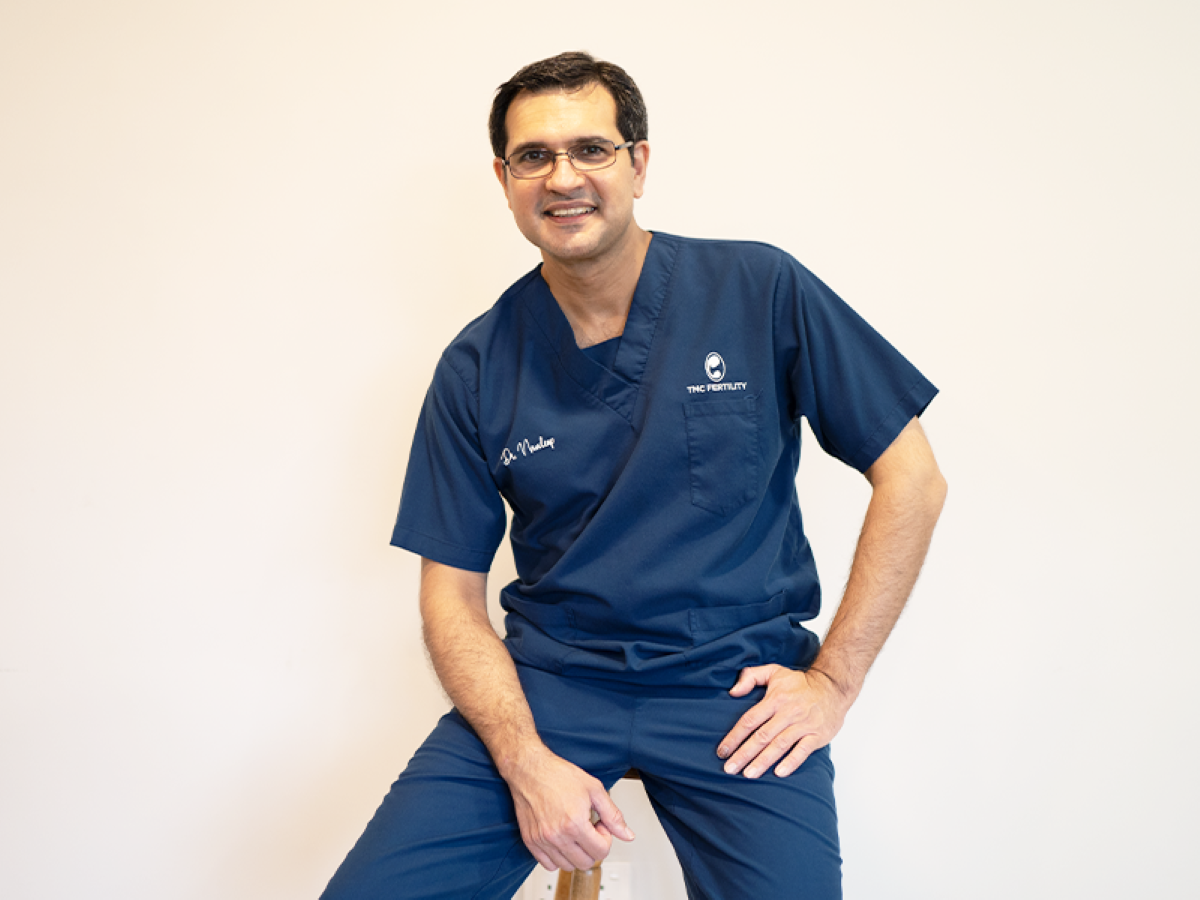
Dr Navdeep Singh Pannu, a fertility specialist, currently serves as the medical director at TMC Fertility and Women’s Specialist Centre in Puchong. With over a decade of experience, he has assisted couples of all ages and from various parts of the world in building the families they have always wanted. Additionally, he is a consultant obstetrician, gynaecologist, and laparoscopic surgeon.
- This is the personal opinion of the writer or publication and does not necessarily represent the views of Ova.