


In-vitro fertilisation (IVF) is one of the groundbreaking milestones in reproductive medicine and has since been the beacon of hope for millions of couples facing fertility struggles.
Today, I’m going to take you behind this transformative process to see how IVF has evolved over the years to provide more personalised care with modern family building.
What Is IVF?
IVF is the process of manual fertilisation of human eggs in a lab setting.
Eggs are retrieved, screened, and optimised for combination with vetted, healthy sperm cells for culture and transfer into the uterus.
After this point, the implantation and pregnancy carry on as it would naturally.
The IVF Process: Step By Step
Here is how your fertility specialist is likely to begin the IVF treatment procedure, in general:
- Ovarian Stimulation: Hormone treatment stimulates ovaries to produce multiple eggs at a time.
- Egg Retrieval: Mature eggs are collected through a minimally invasive extraction procedure.
- Fertilisation: Sperm and eggs are introduced in-vitro (in a laboratory setting), allowing for natural fertilisation.
- Embryo Culture: The fertilised eggs are allowed to proliferate and develop into embryos over several days.
- Embryo Transfer: The selected, screened, healthy embryo is placed into the uterus for implantation and subsequent pregnancy.
Do note that the IVF process may not be the same for everyone.
Treatment plans can vary from individual to individual – especially if you have a condition or illness that impairs your reproductive potential.
Recent Innovations In IVF
Technological advancements in the field have led to further refinement of existing processes to increase success rates, including:
- Cryopreservation: Specialists these days use vitrification instead of the classic slow freezing methods. Vitrification helps reduce ice crystal formation that can destroy the integrity of the egg, leading to increased egg viability and subsequent successful pregnancies.
- Genetic Screening: Preimplantation genetic testing (PGT) identifies the genetic makeup of the embryos to detect possible abnormalities. These embryos are then vetted to select the one with the best chance of developing into a healthy, viable pregnancy.
- AI in Embryo Selection: Artificial intelligence can now use non-invasive methods to grade embryos. Not only does this reduce need for human intervention, but the highly complex algorithm also reduces instances of human error, boosting success rates.
IVF isn’t just another medical procedure; it’s a catalyst to addressing and treating issues that impair your reproductive abilities.
Whether your challenges are age-related, genetically predisposed, or due to an underlying illness, IVF embodies the hope you need to achieve your dreams of parenthood.
This article is intended for educational purposes only. All content here is general in nature and does not take into account your personal circumstances. Please consult with your health care professional to ensure you get the right diagnosis and treatment.
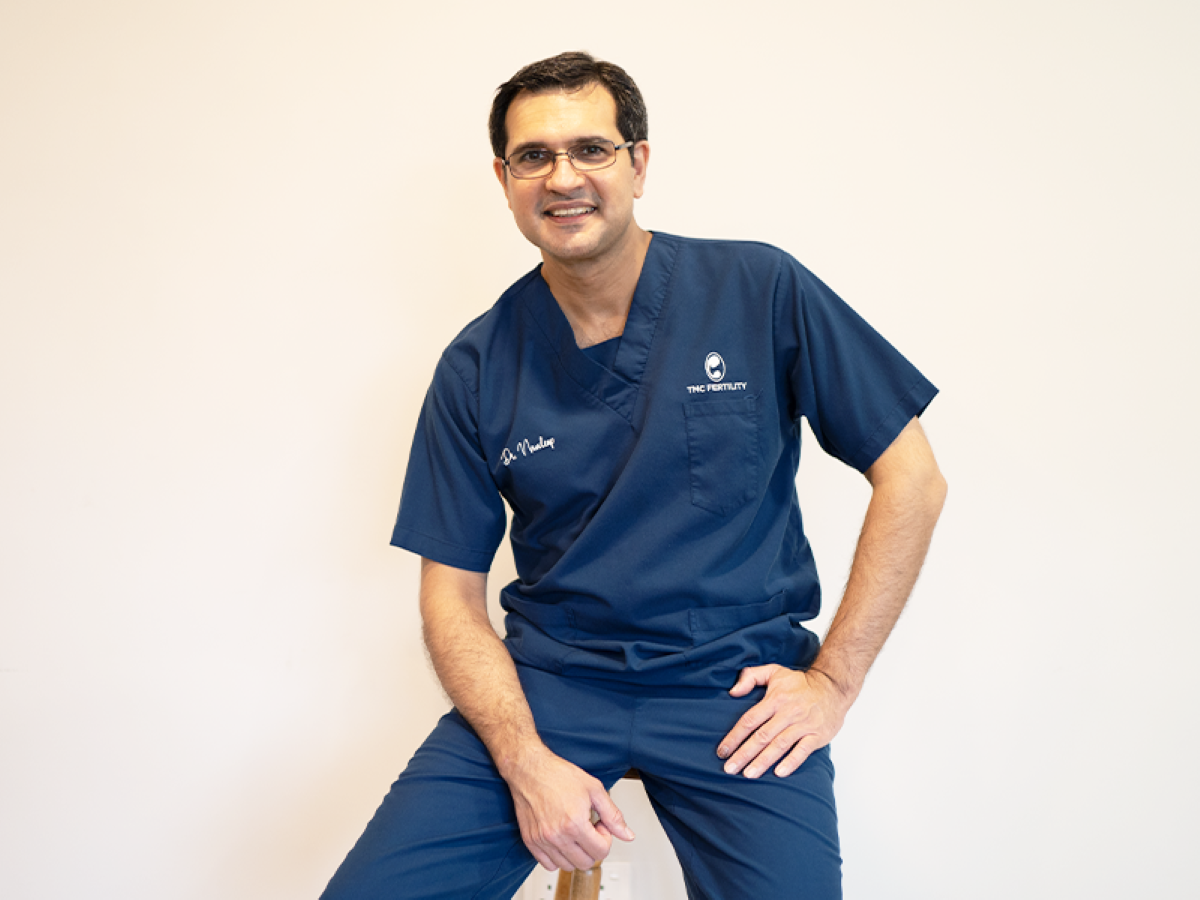
Dr Navdeep Singh Pannu, a fertility specialist, currently serves as the medical director at TMC Fertility and Women’s Specialist Centre in Puchong. With over a decade of experience, he has assisted couples of all ages and from various parts of the world in building the families they have always wanted. Additionally, he is a consultant obstetrician, gynaecologist, and laparoscopic surgeon.
- This is the personal opinion of the writer or publication and does not necessarily represent the views of Ova.