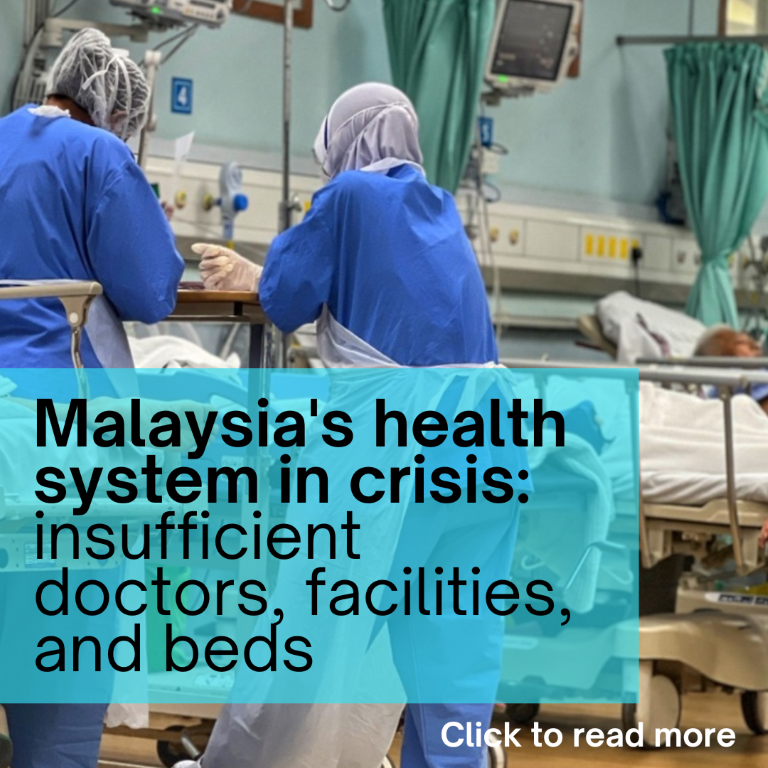



My first on-call during housemanship was in the obstetrics and gynaecology ward. It was the kind of night every young doctor remembers. The one where you quickly realise how much you don’t really know a single thing about actual practised medicine.
The ward was busy, someone just got back from the labour room, and I was trying to assess cervical dilation during vaginal examinations, second-guessing myself each time. Was it five centimetres? Was it seven? I honestly could not tell for sure.
On duty nurses were perceptive, and they were fast to notice I was struggling. One of them broke from the crowd, calmly moving to my aid. She stood beside me and without a word went on to guide my hands during the examination, helping me understand what five centimetres actually felt like.
Another followed suit, walking me through what to do next, while her colleague allayed the fears of the patient.
They helped me navigate the work around the ward and stepped in the moment I faltered.
I was the doctor on call that night, but truth be said, I was not exactly alone. Critical operations in the ward was carried out by the collective knowledge and care of the women working there.
That night stayed with me. Because it gave me a revelatory glimpse into how medicine operates in reality. Health care is never sustained by individual brilliance. Its pillars are supported by teams, and in the Malaysian health care system, those teams are overwhelmingly women.
Globally, women make up almost 70 per cent of the health and social care workforce, with 90 per cent in patient-facing roles, according to the World Health Organization (WHO).
In Malaysia, the pattern is far more evident in certain professions. Nearly 95 per cent of nurses are women; in equal measure, women also hold similar distribution in the field of pharmacy and dentistry.
Medicine itself, a discipline largely dominated by men, is becoming more “androgynous”, with more women graduating and making their way into the health care workforce.
Despite forming the backbone of the health workforce, women, for the most part, remain underrepresented in many of the core decision-making spheres that shape health policy and institutional culture.
Feminist scholars often describe this as the “leaky pipeline”, where women enter professions in droves but appear displaced from the highest echelons of leadership.
Malaysia’s health system reflects this tension. Our wards, clinics, and community programmes are held together by the labour of women, and yet the upper tiers of authority have historically remained under-represented, and often, male-dominated. A health system built on women’s labour must also make space for women’s leadership.
This gendered division of labour is not an abstract theory. It is something we see every day.
The nurses stabilising critically ill patients. The medical officers covering overnight calls. The janitors and cleaners ensuring infection control standards are maintained in crowded wards.
Much of this labour is physically demanding, labour-intensive, emotionally exhausting, but sadly often ignored for one sole reason – these sacrifices remain invisible and undocumented.
When I reflect on my journey as a doctor today, I realise that I am here because of these women that came before me.
Because of the female specialists and consultants who trained me and showed me what compassionate and competent care looks like.
Because of the nurses who patiently guide a young doctor still learning how to navigate the ward.
Because of the medical assistants and cleaners who quietly ensure that our hospitals remain sanitised, a safe space where healing can occur.
Their labour, their care, and their mentorship shaped the kind of doctor I am, and continue to evolve in the future.
More importantly — and what appears to be often glossed over — are the hidden responsibilities that many of these women carry beyond the doors of the hospital alone.
Some of them are mothers rushing home after a gruelling night shift, only to be tasked at getting their children ready for school.
Some are caring daughters of ageing parents, encouraging them to go for medical appointments at health care facilities. Some are the sole caregivers within extended families.
Put simply, in Malaysia where women’s labour force participation remains around 55 per cent, caregiving responsibilities do not end outside work and continue to fall disproportionately on the broad shoulders of women.
For women working in health care, a sector built on shift work, emergency duties, and long service hours, these dual roles can be extremely challenging.
I have seen nurses come to work, already feeling out of sorts, because they are gripped by the concern that maybe the ward may not function optimally without them.
Similarly, I bear witness to seeing colleagues complete shifts while worrying about sick children at home. For them, taking emergency time off work is not an option, especially when the workforce is already stretched wafer thin.
These realities reveal a deeper paradox within our health system. Institutions built around caring for others, but often neglect the welfare and sacrifices of their kind.
If we can accept that women do indeed represent the backbone of Malaysia’s health care system, then what should take centrestage is a central policy prerogative that recognises their contribution and fights to protect their welfare.
Gender-responsive workforce policies, including adequate staffing, flexible rostering, child care support, protected caregiving leave, and safe workplace environments, are essential investments in the sustainability of our health system.
This International Women’s Day, I find myself thinking about the women who made my journey in medicine possible.
Behind every functioning hospital and clinic in Malaysia is an army of women who are working tirelessly, often invisibly, to make this country a healthier place for all of us.
This essay is a small tribute to them. Thank you.
Dr Nadirah Babji is a medical doctor with a background in public health and gender. She has a strong interest in building a gender-responsive and equitable health system in Malaysia. She is part of Insight Circle, a health think tank working on health systems and policy strengthening centering equity and justice for all.
- This is the personal opinion of the writer or publication and does not necessarily represent the views of CodeBlue.