


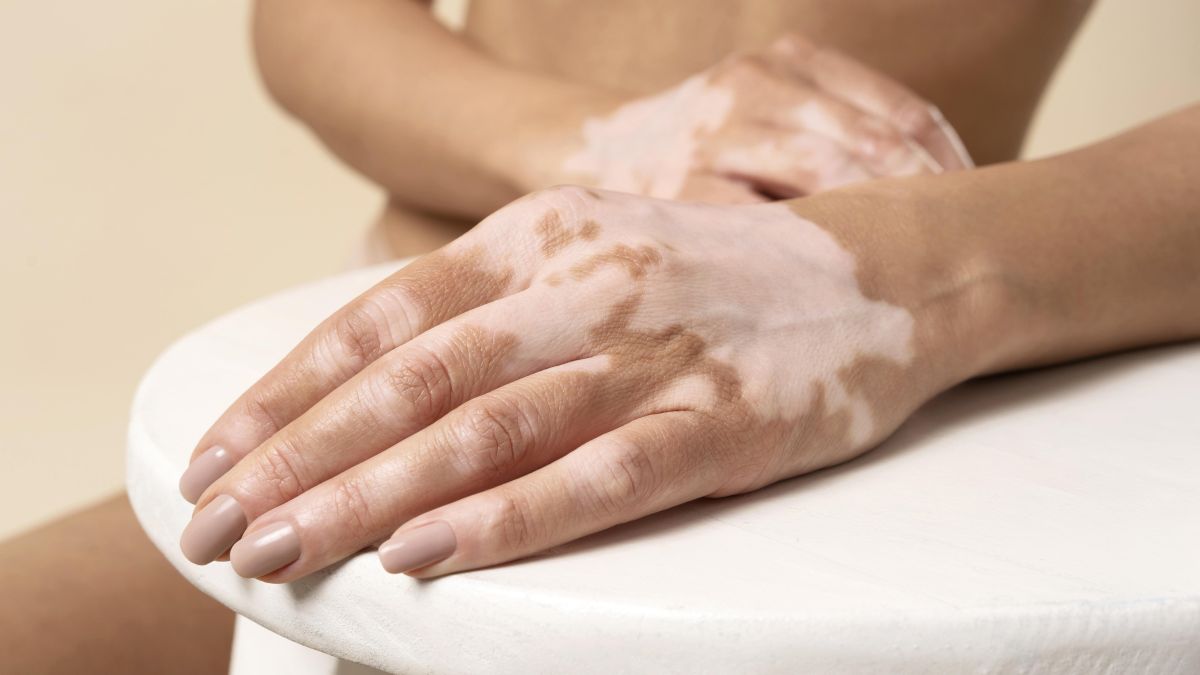
Every year on June 25, World Vitiligo Day provides an opportunity to raise awareness about a condition that affects millions of people worldwide but remains widely misunderstood.
While medical advances have improved the management of vitiligo, misconceptions and social stigma remain significant challenges for many individuals living with the condition.
Vitiligo is a chronic autoimmune disorder in which the body’s immune system mistakenly attacks melanocytes, the cells responsible for producing skin pigment.
As a result, white patches develop on different parts of the body. The condition affects people of all ages, genders, and ethnic backgrounds and is estimated to affect approximately 0.5 to 2 per cent of the global population.
Although vitiligo primarily affects skin pigmentation, its visible nature can have a profound impact on a person’s quality of life.
Primary care practitioners are often the first point of contact for patients seeking answers about the condition. A significant part of their role involves addressing misperceptions and providing accurate information.
Myth 1: Vitiligo Is Just A Skin Problem
Vitiligo is frequently perceived as a cosmetic concern. In reality, it is an autoimmune condition that may be associated with other autoimmune diseases.
Studies indicate that some individuals with vitiligo also have conditions such as autoimmune thyroid disease, rheumatoid arthritis, psoriasis, type 1 diabetes, and systemic lupus erythematosus.
This highlights the importance of viewing vitiligo through a broader healthcare lens rather than dismissing it as a purely aesthetic issue.
Myth 2: Vitiligo Is Contagious
This remains one of the most common and harmful misconceptions. Individuals living with vitiligo frequently report being stared at, receiving unwanted comments or questions, and experiencing social avoidance or exclusion.
In reality, vitiligo is neither infectious nor contagious. It cannot be transmitted through touch, shared meals, close contact, or any other form of interaction.
Despite this, the misconception continues to contribute to stigma and social isolation.
Myth 3: Vitiligo Does Not Affect Mental Well-Being
Although vitiligo does not cause physical pain, its psychological impact can be significant.
Because the condition affects visible areas of the body, many individuals experience reduced self-confidence, body image concerns, and social anxiety.
Research has shown that people living with vitiligo may experience higher rates of depression, anxiety, and psychological distress than the general population.
The psychosocial burden may be particularly pronounced among women and individuals with darker skin tones, where depigmented patches are often more visible due to greater contrast with unaffected skin.
These findings underscore that care for vitiligo extends beyond dermatological management. Emotional wellbeing and psychological support are essential components of holistic care.
Myth 4: Vitiligo Cannot Be Treated
Another common misconception is that no interventions are available once vitiligo develops.
While there is currently no cure, several treatment options may help slow disease progression and promote repigmentation in some patients.
These include topical medications, newer targeted therapies, and phototherapy. Treatment outcomes vary between individuals, and realistic expectations are important.
Equally important is ensuring that individuals are supported in making informed decisions about treatment based on personal goals, lifestyle, and quality of life considerations.
Myth 5: Vitiligo Is Not Affected By The Sun
Vitiligo-affected skin lacks melanin, making it more vulnerable to sunburn and sun damage. Sun protection is therefore an important part of management.
Broad-spectrum sunscreen with an SPF of at least 30 should be applied when outdoors, particularly during periods of prolonged sun exposure.
Protective clothing, such as wide-brimmed hats, long-sleeved shirts and long trousers, can provide additional protection.
One of the greatest challenges associated with vitiligo is often not the condition itself, but the misconceptions that surround it.
Myths about contagion, appearance, and treatment continue to influence attitudes and behaviours, creating barriers that can be more difficult to navigate than the condition itself.
Education remains the most powerful tool for changing this narrative. Accurate information dispels fear, challenges stigma and fosters understanding.
More importantly, it reminds society that visible differences should never determine how a person is perceived or treated.
As Malaysians, diversity is woven into the fabric of everyday life. That commitment to inclusivity should extend beyond race, religion, and culture to encompass visible differences, including vitiligo.
Respect, dignity, and acceptance should not depend on skin colour, texture or appearance.
On this World Vitiligo Day, greater awareness can help create communities where individuals with vitiligo are met not with curiosity or judgment, but with understanding, empathy and acceptance.
Dr Punithavathy Shanmuganathan is a family medicine specialist and a senior lecturer at the School of Medicine, Faculty of Health and Medical Sciences, Taylor’s University.
- This is the personal opinion of the writer or publication and does not necessarily represent the views of Ova.