

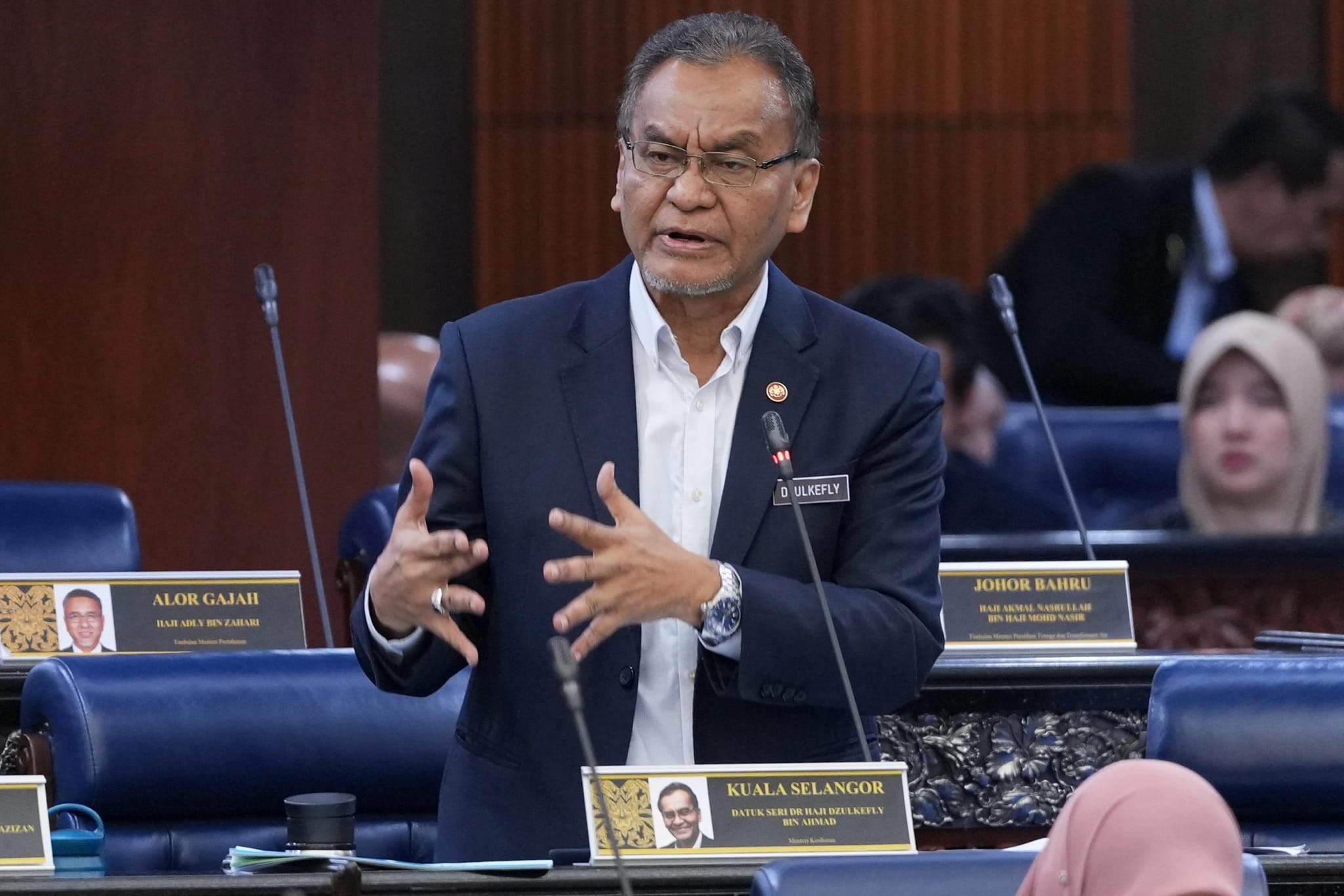
KUALA LUMPUR, Sept 8 – Major gaps in the health care system pose challenges to dealing with the rising number of autism and ADHD cases, said Health Minister Dzulkefly Ahmad, who cited a shortage of skilled manpower, low ratio of therapists compared to regional countries and unbalanced distribution of appropriate medical specialists, especially in Sabah and Sarawak, as well as limited rural facilities.
Last year, Ova reported that the number of children diagnosed with autism registered with the Department of Social Welfare (JKM) had skyrocketed by about 663 per cent over a 10-year period, from 6,991 children in 2013 to 53,323 children in 2023, according to a parliamentary reply by the Minister of Women, Family and Community Development.
In a separate parliamentary reply last year, MOH also said there was an increase in the number of children under 18 diagnosed with autism from 183 cases to 2013 to 1,681 cases in 2023.
Children under 18 diagnosed with ADHD also increased from 79 cases in 2013 to 268 cases in 2023. MOH did not specify the source of its data.
In a written Dewan Negara reply on September 4, Dzulkefly said screening and reassessment for autism and ADHD can be carried out at all 1,095 government health clinics (klinik kesihatan/KK) and 80 government maternal and child health clinics (klinik kesihatan ibu dan anak/KKIA) throughout Malaysia.
“The initial diagnosis can be made by family medicine specialists (FMSs) at the KKs and early intervention can be initiated at KKs for occupational and speech rehabilitation therapy.
“Currently, there are five FMSs with a child health sub-specialty and three more are undergoing training,” he added.
“These FMSs are located in Perak (1), Selangor (1), Kuala Lumpur (1), Penang (1), Sabah (2), Melaka (1) and Terengganu (1).
For cases referred to hospitals, 70 MOH hospitals have paediatric specialists who can manage autism and ADHD cases, Dzulkefly said.
He added that for complex cases, there are 14 child development sub-specialists, including six in training, stationed in selected hospitals.
The teams at the hospitals are supported by allied health professionals such as occupational therapists, speech therapists, audiologists and physiotherapists.
Dzulkefly was responding to a question by senator Dr Lingeshwaran R. Arunasalam who asked how the ministry is prepared to handle the surge in autism/ADHD cases following the mandatory pre-school screening announced in June 2025.
Dr Lingeshwaran also wanted to know what the gaps are in terms of medical specialists, allied health science professionals and other health workers to ensure that the increase in cases can be accommodated.
To overcome the gaps that have been identified, MOH will implement several strategies including telerehabilitation to expand treatment access, parent-based group interventions, community outreach services in rural areas, and improvement of workforce distribution by state, said Dzulkefly.
Applications to fill additional positions of associate health therapists have also been submitted to MOH’s Human Resources division, he added.
“Under the 13th Malaysia Plan (13MP), the ministry has also proposed the establishment of an integrated service cluster based in health clinics encompassing family medicine and hospital expertise, which will be further strengthened with clinical support services to improve early intervention services, especially in rural areas.”